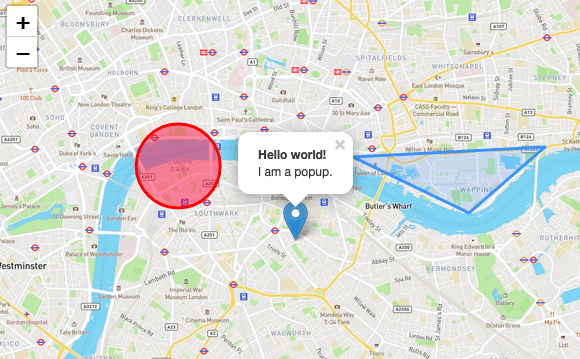
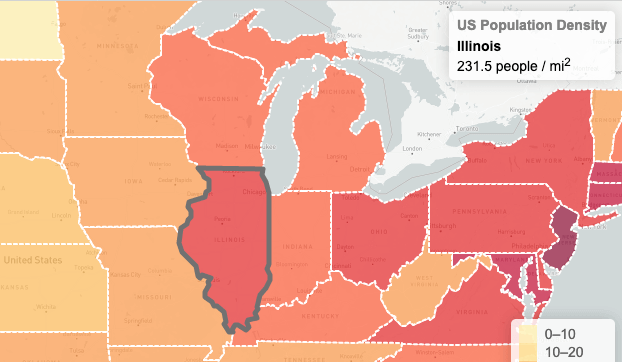
One important digital tool used in Torn Apart is Leaflet, a free program that helps create interactive maps. Leaflet lets developers put data points on maps that people can zoom in on, move around, and click to learn more. In Torn Apart, Leaflet is used to show where ICE detention centers, refugee facilities, and border patrol zones are across the U.S., making it easier for viewers to see how widespread these locations are. The tool turns complicated data into easy-to-understand, visual stories that focus on people and communities. Outside of this project, Leaflet is used in journalism, environmental studies, city planning, and other digital humanities projects to create engaging maps that help explain data.
Another important digital tool from Torn Apart is GitHub, a platform that helps people work together on projects and keep track of changes. It lets team members like researchers, coders, and designers share files, update work, and organize the project in one place. In Torn Apart GitHub was used to store the website’s code and data, making it easier for the team to work quickly and keep everything organized during their six day “data sprint.” This helped the project stay transparent and allowed others to see how it was built. Outside of this project, GitHub is used by students, researchers, and programmers to collaborate on projects and share their work online.
Connection to DH- Leaflet connects well to digital humanities because it focuses on making data interactive, and easy to access which are important parts of DH. Leaflet’s display turns complex data into visual stories that help people understand social and human issues. This fits with the DH goal of using digital tools to explore and share human experiences in a clear and engaging way.