Data Used in the
StopICE Project
Types and Sources of Data
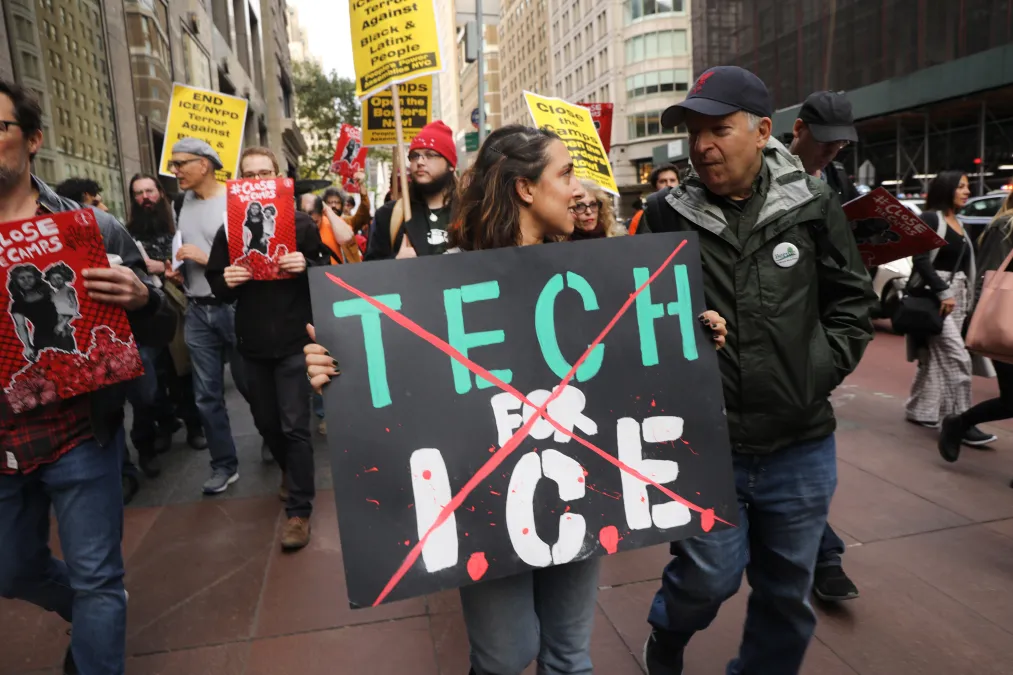
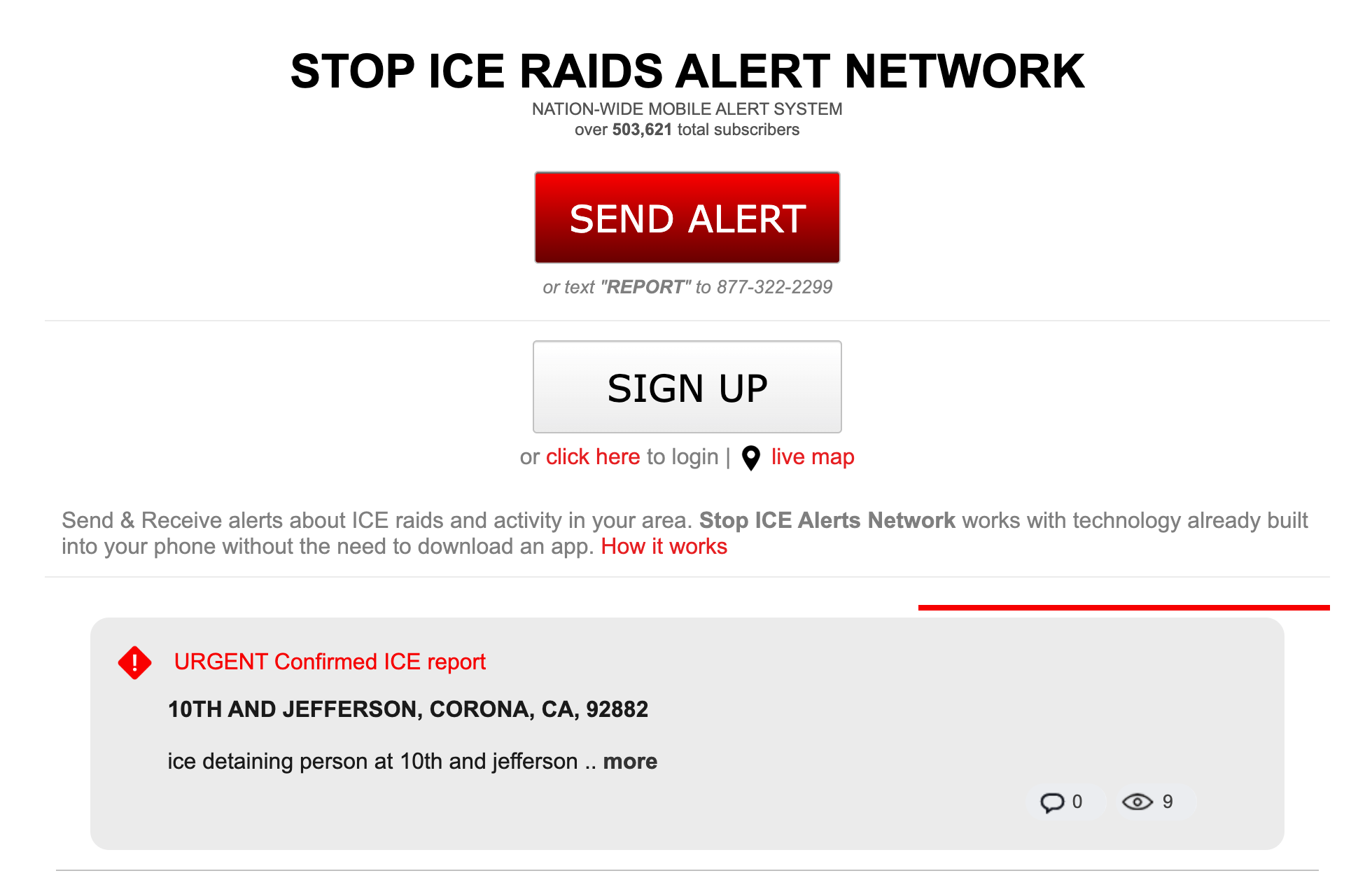
The primary data used by Stop ICE comes from crowdsourced community alerts submitted by users via text messages or the website. Each submission may include the location, date, time, and description of potential ICE activity, along with optional photos or notes. These reports are categorized by verification status — such as “UNCONFIRMED,” “SIGHTING,” or “CONFIRMED” — ensuring accuracy and transparency. Supplementary data comes from public records, news articles, and partner organizations that monitor immigration enforcement across the country.
Input and Output
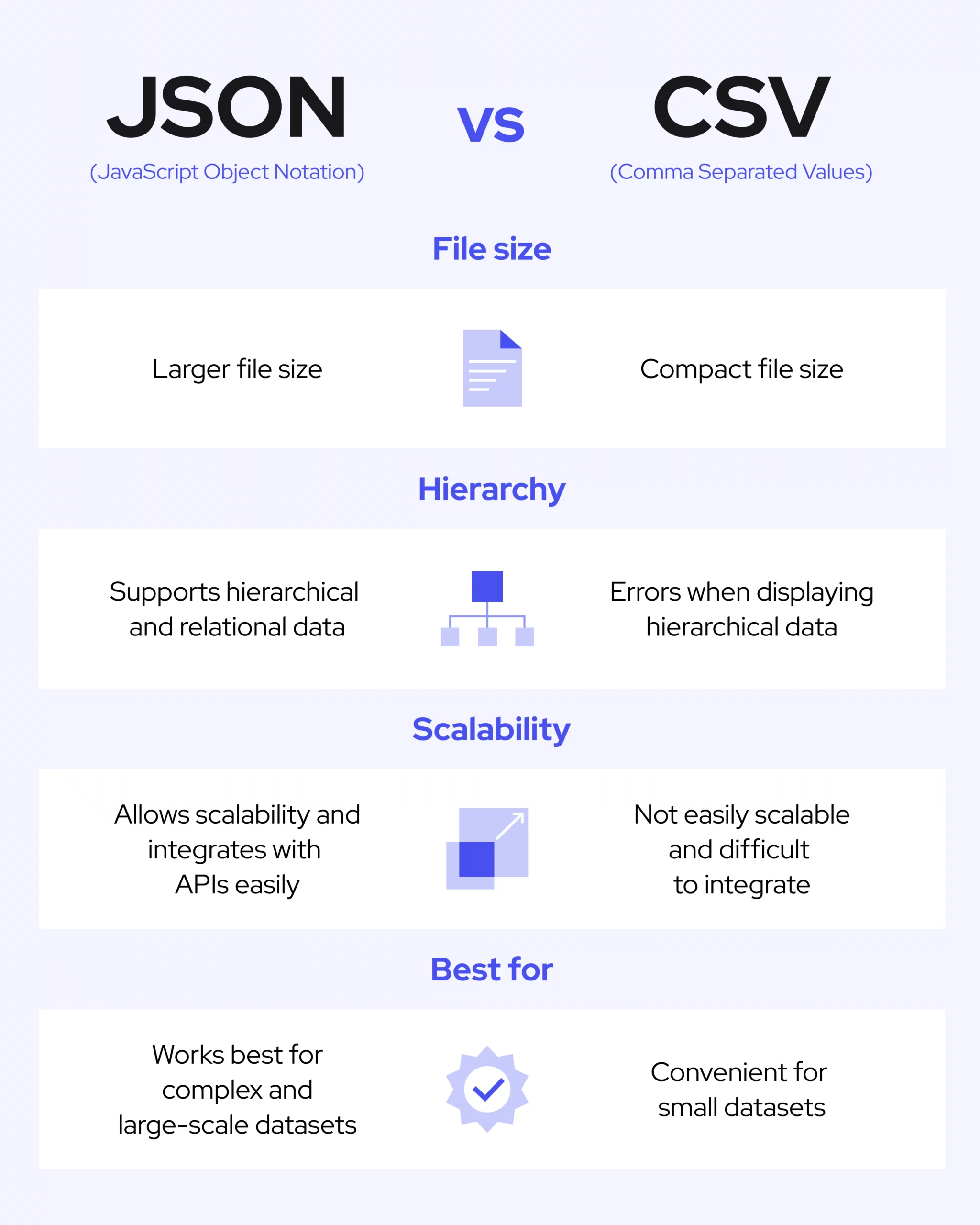
Input data includes user-submitted text alerts, geographic coordinates (often ZIP code–based rather than GPS for privacy), and community-generated reports. Output data takes the form of interactive maps, JSON data feeds, SMS notifications, and CSV exports for partner organizations and researchers. This dual structure, which is participatory input and open-access output, reflects the project’s balance between privacy and transparency.
Ethics and Privacy
Recognizing the sensitivity of immigration-related data, Stop ICE prioritizes user safety. Personal identifiers such as phone numbers and email addresses are encrypted, and GPS tracking is disabled by default. Reported locations are generalized to the nearest area to protect individuals while maintaining meaningful accuracy. This ethical approach ensures that visibility does not come at the expense of security.

Connection to DH Best Practices
In line with DH standards, Stop ICE demonstrates exemplary data documentation, openness, and ethical handling. The project uses metadata labeling, verification categories, and public access tools to ensure clarity and reproducibility. It embodies DH principles by turning community-generated data into an inclusive, transparent digital record, one that bridges technology, civic action, and human rights.