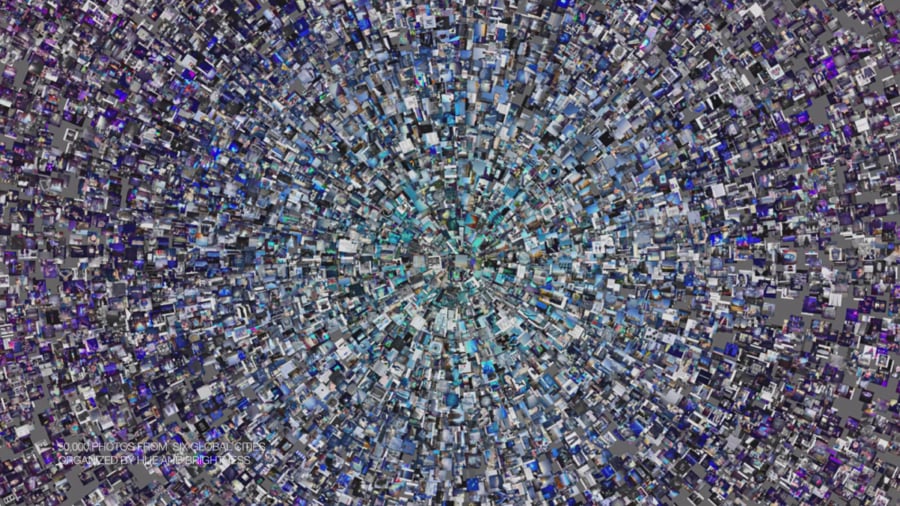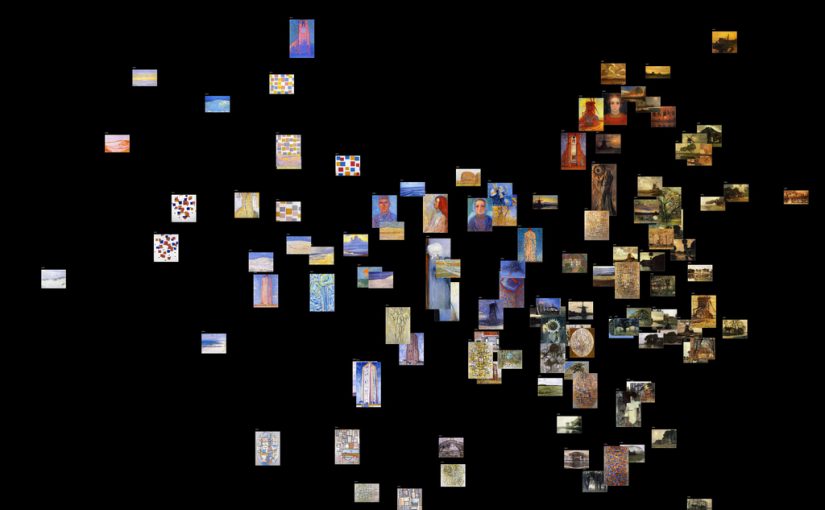
Project Audience
Anyone who is interested in searching or viewing photos on a social media platform specifically Instagram, would enjoy learning about Phototrails. This project can provide visual and qualitative data about witnesses at these particular events. It can even show the location where most photos are being taken. With gathering over two million photo samples from Instagram from thirteen cities in the world, the project focuses on experimenting with visualization techniques that can change dynamics, structures, and has the ability to show the audience multiple images within one visual.
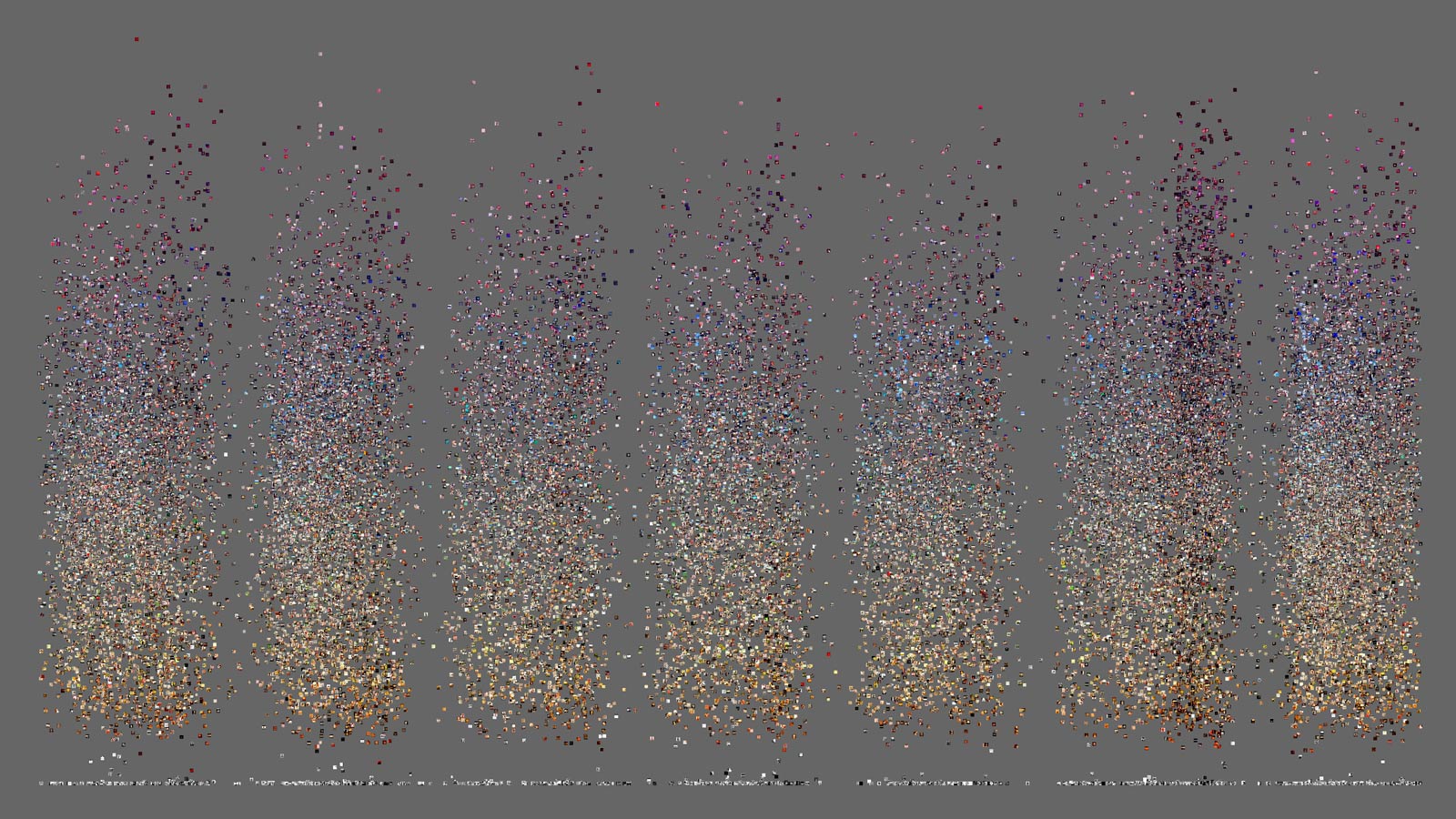
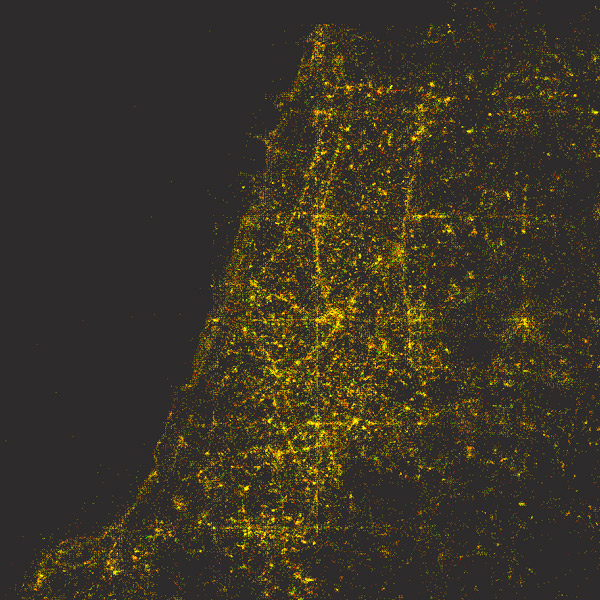
Phototrails seems like it is a self-explanatory project. Those who are not interested in art, digital designing or culture may see this project as just a video or photo collage with photos from public Instagram accounts. But those who are interested should take a look at the digital software techniques and how the visuals are organized. They use the points and lines visual techniques to represent visual data in a large city. The team color coded the points to distinguish the time of day. The purpose of the points and lines tool is to analyze the location of where most of the audience is. This software tool not only color codes the time of day, but it leads the team to the center of concentration where most of their audience is using the project. The image below is an example of 212,242 photo locations in Israel. The photos were taken over a three month period and are separated by the hour the photo was taken.
Art, in all of its forms, mainly serves as a positive aspect to the human eye. We as humans crave satisfaction through various forms of creativity whether we admit to it or not. The audience involves those who enjoy art in various formats. These images that create the visual are colorful, abstract and even unpredictable. And because of these characteristics, the audience is wide. Videos are created by millions of tiny images put together to create one large image. Image a paused image on a TV screen and then zoom in up close to find a collage of many images that are mobile. Except with Phototrails, the images do not completely match, they are zoomed inward, the story is however you interpret it to be with certain data contributions included in specific visuals. Below is a YouTube video that shows an example of a visual with movement.
Project Disciplines
The target audience by Phototrails involves artists from different social and cultural backgrounds. Especially the artists who are searching for inspiration from other cultures. Photographers also show key interest due to different photos being displayed in an art form from thirteen different cities all over the world. Architects even show interest in Phototrails and express an interest in software tools and digital design. The Phototrails Project Team Page has members who are artists, an architect, a digital humanities researcher, and software tools experts. Scientists would like to analyze the visual culture as data for their area of research. Politicians and Historians could share interest in Phototrails because some of the visuals are created based on a political cultural or a dramatic event occurring in a city and could collect visual data after the event. Filmmakers will be interested in software tools and the digital movements involved in some visuals.