This project follows a structured process that transforms real-world sound into both documentary and creative outputs. This process begins with collecting audio data, continues through remixing, and ends with presenting the final recordings on an interactive digital platform.
Overview of Process:
Contributors first record sounds from real-world environments and submit them through the project’s platform. These recordings are uploaded with required metadata, such as location, title, and description. Artists then select recordings to remix, creating a reimagined version of the original sound. Finally, both versions are published on an interactive map and archive for users to explore.
Step 1: Field Recording and Data Collection
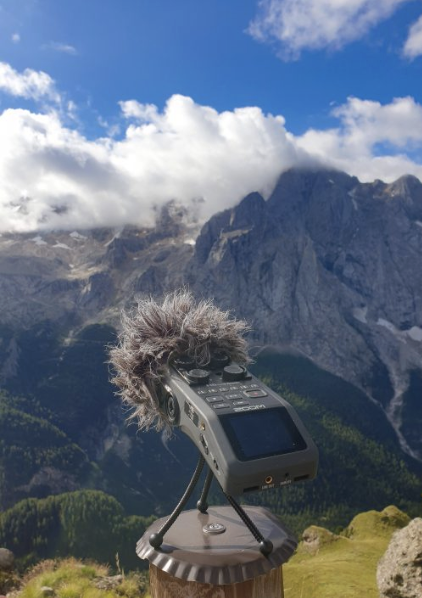
Contributors record environmental sounds using audio devices and submit them through the platform with required metadata, including location and description. The project requires recordings in WAV format, which preserves high audio quality and ensures accurate documentation of real-world environments.
Step 2: Remixing and Creative Interpretation
Artists select submitted recordings and use digital audio tools to remix them into new compositions. These remixes reinterpret the original sound while maintaining a connection to the original recording and location.
Below is an example of how someone could remix audio:
Unedited Audio: Svartifoss, Iceland
Edited Audio: Remote remnants of remembered REM dreams
Connection to Digital Humanities Best Practices
The methods used in this project align with Digital Humanities best practices through clear submission guidelines, structured data collection, and transparency in the process. The use of standardized formats like WAV, along with required metadata, ensures consistency, accessibility, and high-quality digital preservation.