Data Types and Purposes:
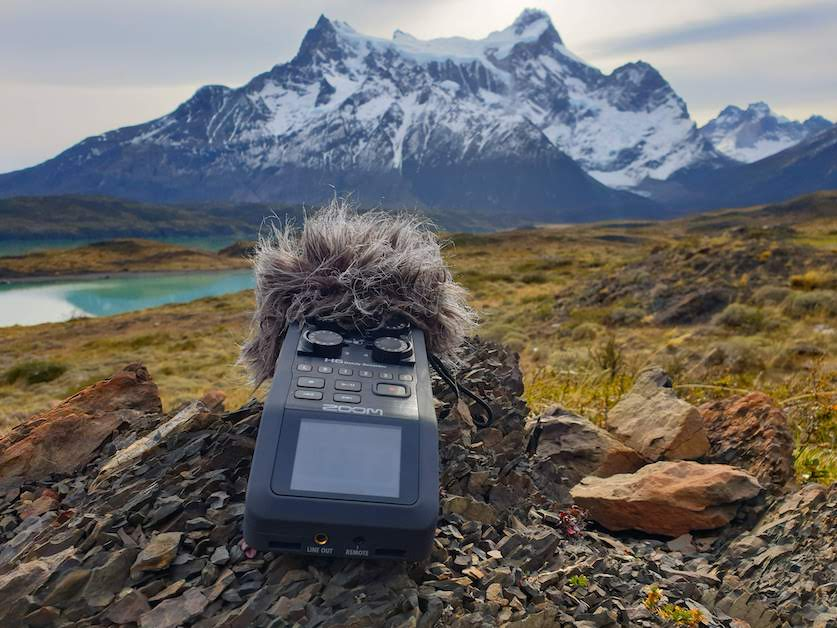
The project uses field recordings (real-world sounds) and remixed audio compositions to preserve everyday environments while also creatively reinterpreting cultural experiences through sound.

Formats and Accessibility:
Data is stored as digital audio files (MP3, WAV) along with metadata such as location, contributor, and descriptions, making it widely accessible, easy to share, and understandable for users.
Collection and Processing:
Sounds are submitted by contributors around the world and then transformed into two versions an original recording and a creative remix showing both reality and interpretation.
Output and Best Practices:
The final data is presented through an interactive map and audio archive, following digital humanities best practices by being open access, transparent, and clearly documenting sources and contributors.