Method: Gender Positioning
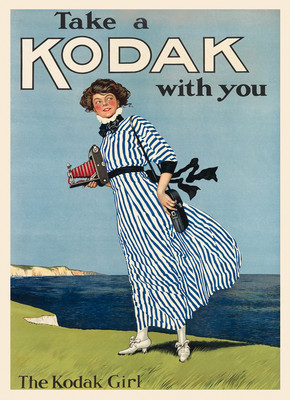
- Kodak frequently positioned women in their ads to portray them as the emotional keepers of family life
- Lead to them becoming more seen and acknowledged
- Often the sole feature on newspapers in their branded “Kodak Girl” style
- Taking photos of the family lead to a new aspect of modern motherhood
Digital Tools: Unnamed
J. Walter Thompson used a multitude of digital tools to provide the information and images I’ve attached for viewing.
- All of the contents of their Naming Committee and Christmas ad were stored in a box in a document named “Briefs and Scripts” and were included in the collection “Brand Case Studies/Account Files”
- The box was named EK 11, and the visual content contained story boards
- All physical materials located in the Hartman Center for John W. Hartman Center for Sales, Advertising and Marketing History, David M. Rubenstein Rare Book and Manuscript Library at Duke University

- Digital tools used to upload these photographs included highly detailed scanners to upload the printed page
- The website offers the ability to zoom in and out on each of the photographs, scroll across them, toggle to full screen, download the images, bookmark them, and bookmark the document
- Ability to rotate the image

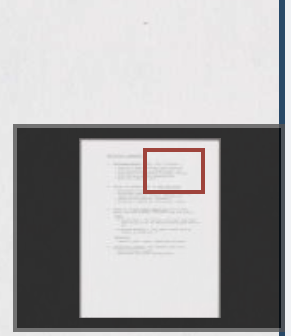
- A small icon appears in the bottom right corner when clicking on the documents that displays a red box where I’m reading, and I can scroll up and down as well as side to side via the small box
- These ads were advertised on television, as in the description of the J. Walter Thompson project
Conclusion
Both the gender positioning method and digital tools can be used within DH. Gender positioning is often analyzed in DH to reveal how societal norms and identities are digitally displayed. The digital tools used allow DH scholars to analyze artifacts closer, supporting close reading and distant reading. the ability for manipulation within this site is also used in DH to compare variations or track trends over time.