This project has a rich use of historical materials that it draws from such as newspapers, maps, photographs, and court records in order to put together this digital and historical narrative. The project produces interactive digital maps and visualizations that transforms the historical information into an accessible story for the audience. There is an issue as the author does not show reference any of his data sources. While the project does organize and present the information, it does not meet the Digital Humanities best practices in transparency and documentation.
The data we are given, though, tells a story by using these varied materials to visually reconstruct the social and geographic world of Peoria that shaped Pryor’s early life. Each different type of data adds depth to the narrative:
- Maps: show the audience the physical layout of the city and the social and economic divisions happening within it
- Newspapers and Court Records: they reveal the social injustices and many personal events that shaped Pryor’s experience
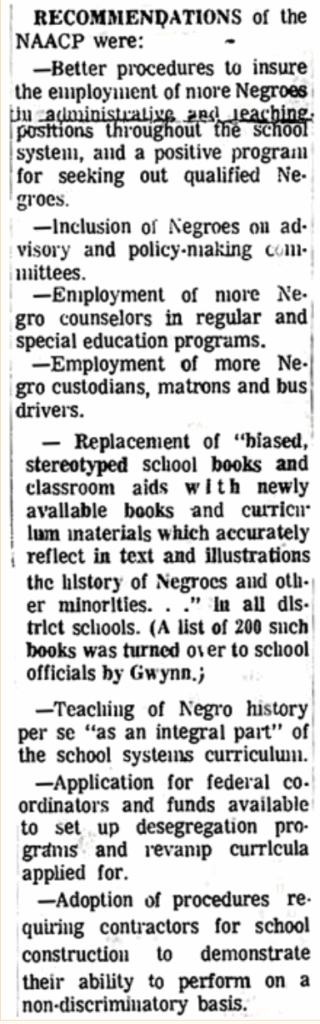
These materials work together to build the digital story of Richard Pryor, connecting his personal biography to the broader historical context of mid-20th-century Peoria.