What is Oculus?
Oculus VR, now known as Reality Labs, is “a business and research unit of Meta Platforms (formerly Facebook Inc.) that produces virtual reality (VR) and augmented reality (AR) hardware and software.”
An example of the kind of hardware they produce is Meta Quest.
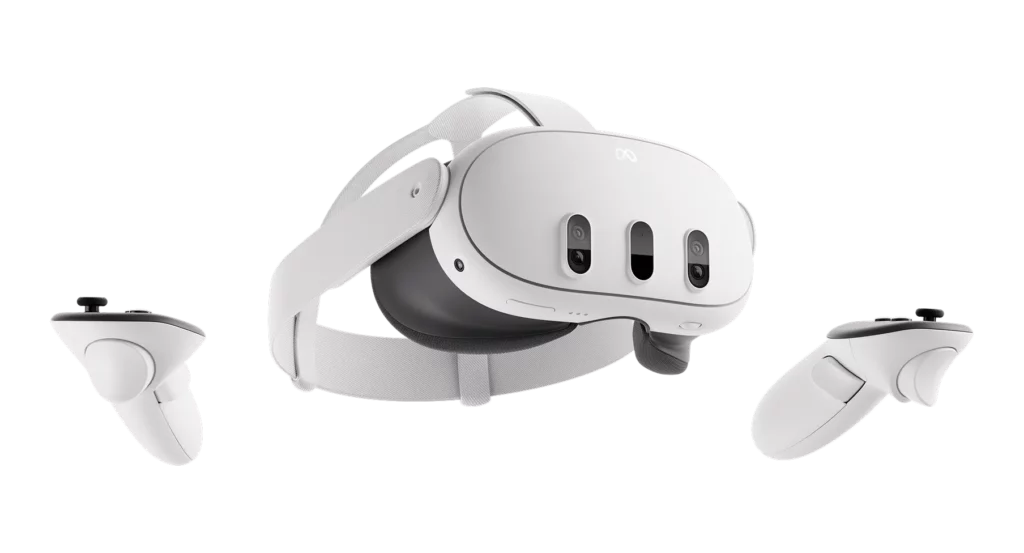
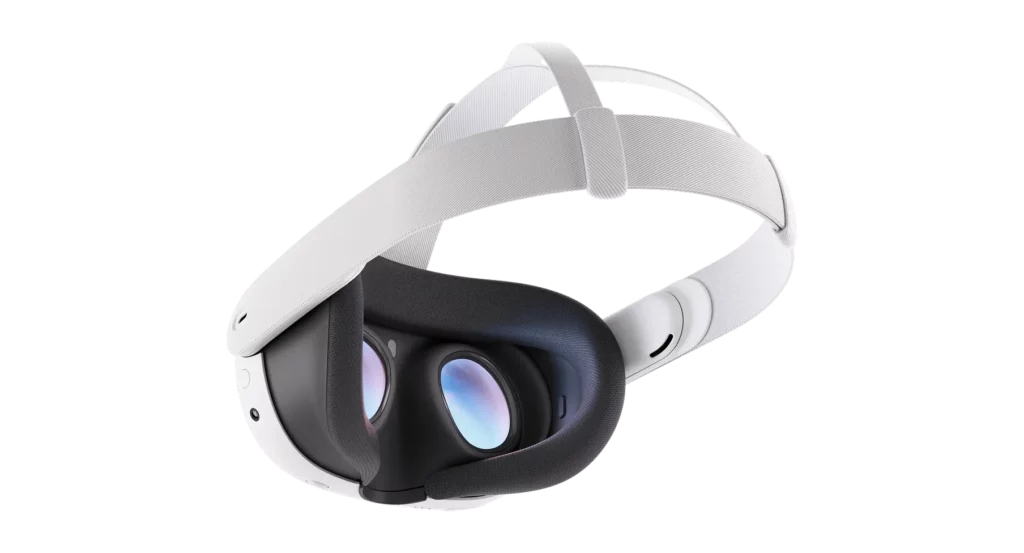
Meta Quest is “a line of virtual reality headsets with augmented reality capabilities.” It uses “internal sensors and an array of cameras in the front of the headset” and the controls to track hand movements to allow for movements to be tracked.

The Secret Annex and Oculus
When released, the VR version of the Secret Annex could “be downloaded from the Oculus Store for Samsung Gear VR and the recently launched Oculus Go headset from Oculus and Facebook.”
The Oculus Go was a virtual reality headset created by Meta Reality Labs in 2018. The Oculus Go was different from the other VR headsets at the time because it was “a standalone unit with all the components required to provide virtual reality experiences built into the headset.” This meant that it didn’t need a device like a phone to be attached to work.

The Secret Annex could also be played on the Oculus Rift, since it was available on the Oculus store. The Oculus Rift was “the first virtual reality headset to provide a realistic experience at an accessible price” with its release to the public in 2016. But unlike the Oculus Go, the Oculus Rift required a computer to run.
Is it Compatible with Digital Humanities?
Yes, I think that Oculus is compatible with Digital Humanities. I think that any of these VR headsets would work really well with Digital Humanities. I think it provides another way to experience and share cultural data by allowing people to be fully immersed in the experience.