Digital Humanities
Digital Humanities is an “indisciplinary field that uses digital tools and computational methods to do the work of the humanities.” What this means is that digital humanities uses digital software or computational methods to analyze, preserve, and share human culture. Human culture can mean anything that has to do with when groups of people are together.
Another way to think about it is that digital humanities studies cultural objects digitally.
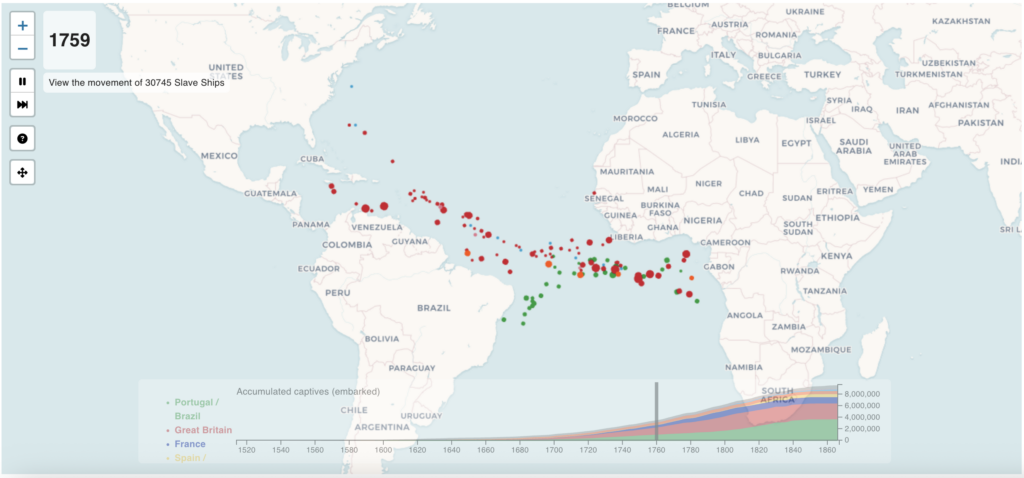
This is an example of digital humanities from the Trans-Atlantic time lapse on Slave Voyages. The digital tools of the time lapse and map are being used to study and show the slave voyages.
Museum Studies
Museum Studies is “is the study of museums” and “explores the history of museums and their role in society, as well as the activities they engage in, including curating, preservation, public programming, and education.“
Some of the jobs included in the field of museum studies are “curation, historic preservation, fine arts management, visitor studies, consulting, and non-profit/NGO work.”
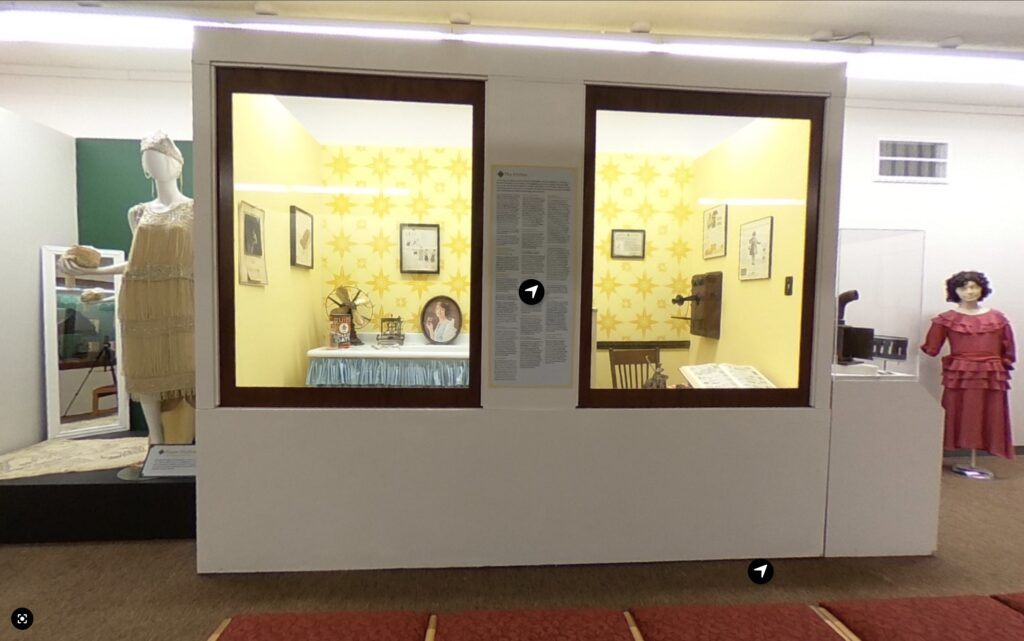
This is an example of a museum from the Roaring in Secret exhibit in Old Library at West Chester University. This screenshot is from the virtual exhibition on the website.
Museum Studies uses both qualitative and quantitative data. One way museums use both qualitative and quantitative data is in visitor studies which is used to get information on the people that are visiting the museum and how to improve the museum.
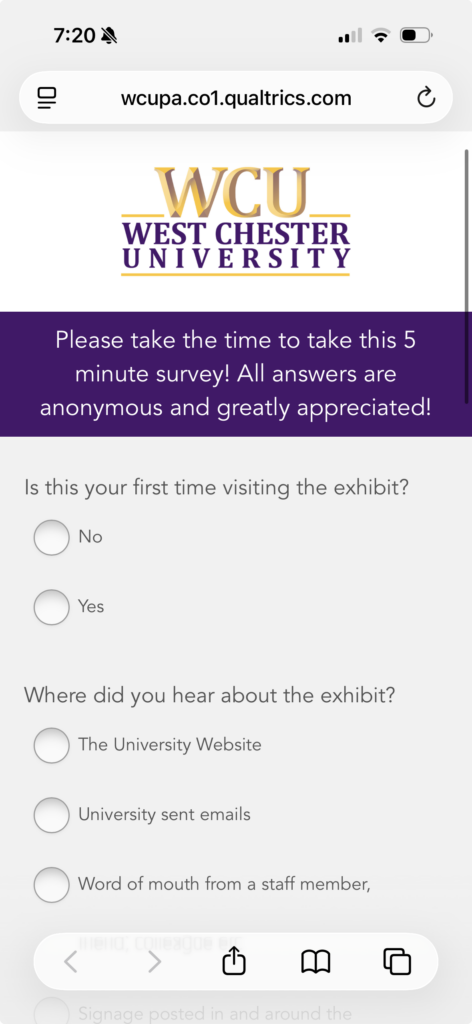
Visitor studies uses qualitative data like comment cards, focus groups, and in-depth interviews to hear people’s thoughts about the museum.
Visitor studies also uses quantitative data like surveys, ticket sales, and website analytics to track and get an understanding of things like how many people visit the museum and who is visiting the museum.