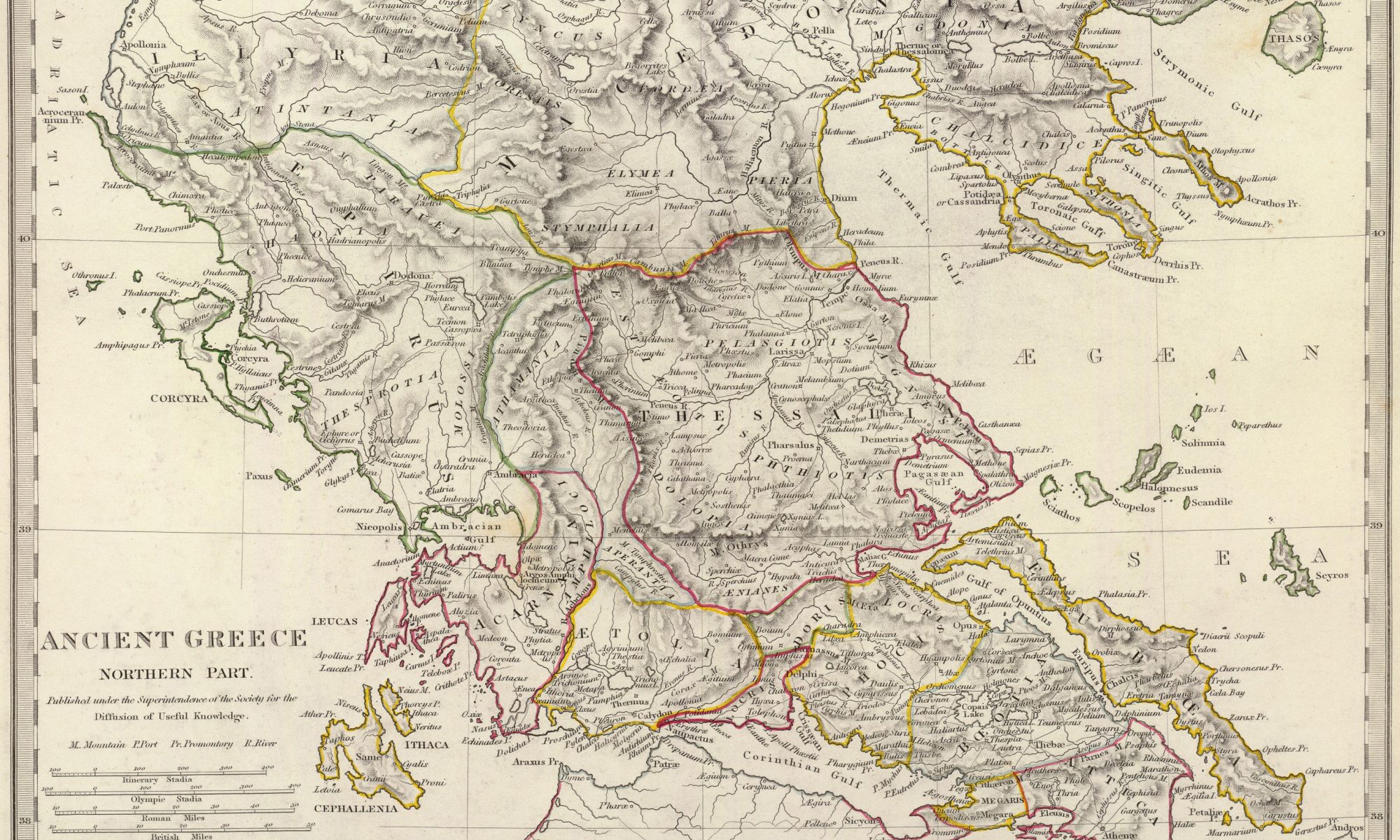
AUDIENCE FOR PLEIADES
Pleiades welcomes anyone who has a contribution. Pleiades is not your typical social media platform. The target audience consists of citizens, scholars, and This project allows the users to provide their own discoveries, contributions, and research projects that other users can contribute to. Pleiades also gives the user the abilitity to share the location of ancient cities, places, or some other unique aspect of the physical world that can be ancient or not.
CITIZENS
Pleiades wants anyone to join as long as they have a photo, project, or idea to contribute. They offer a join/login page that provides a paragraph of directions for new memebrs to join or provide a project. Projects do not do this often. This paragraph is beneifical for the citizens to join Pleiades.

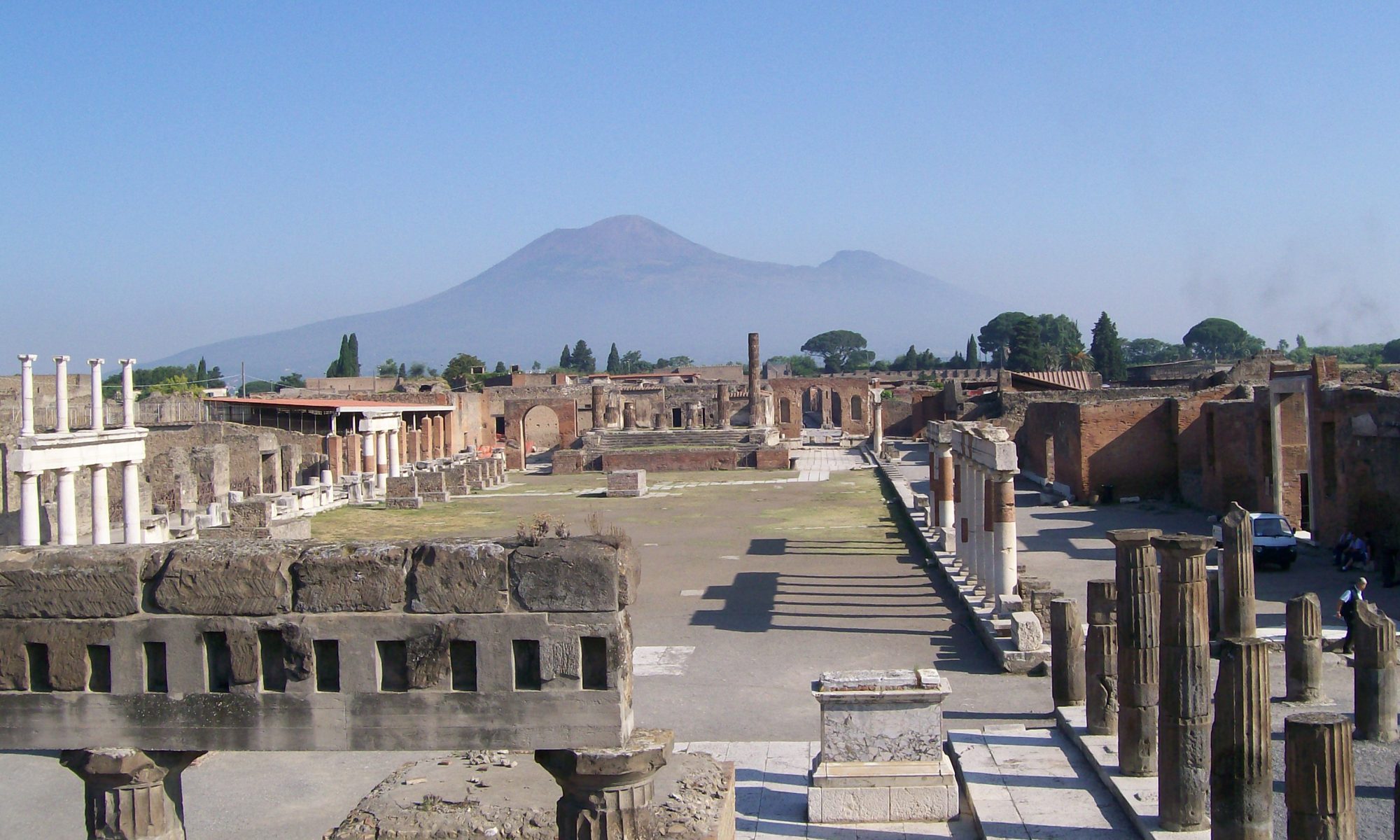
Pleiades seems like a project that would be beneficial to all citizens. Those who are no interested in history, ancient greece, the renisance, geography etc. might perceive this project as just a reference source and not a collaborative platform. Pleiades offers different groups and presentations that captivate specific uers with different interests. For example, this project offers a flickr group that focuses on places that are presented on their platform. The group has only twenty three members but over eight hundred photos. In order to join, you must create a Yahoo account. The Image above is a photo from the flickr page taken by Jeffery Becker and was captured in The Pyramid of Caius in Cestius, Rome.
TOOLS AND ALGORITHMS
Anyone can access anything: images, projects, tools etc. using JSON ( JavaScript Object Notion). It stores information about all the places that have been contributed to Pleiades. This project always provides the most recent versions of the files stored in JSON. Pleiades also uses KML (Keyhole Markup Language). It is a software tool that basically presents itself as a language for maps. Places from Pleiades are placed into a KML file every morning.
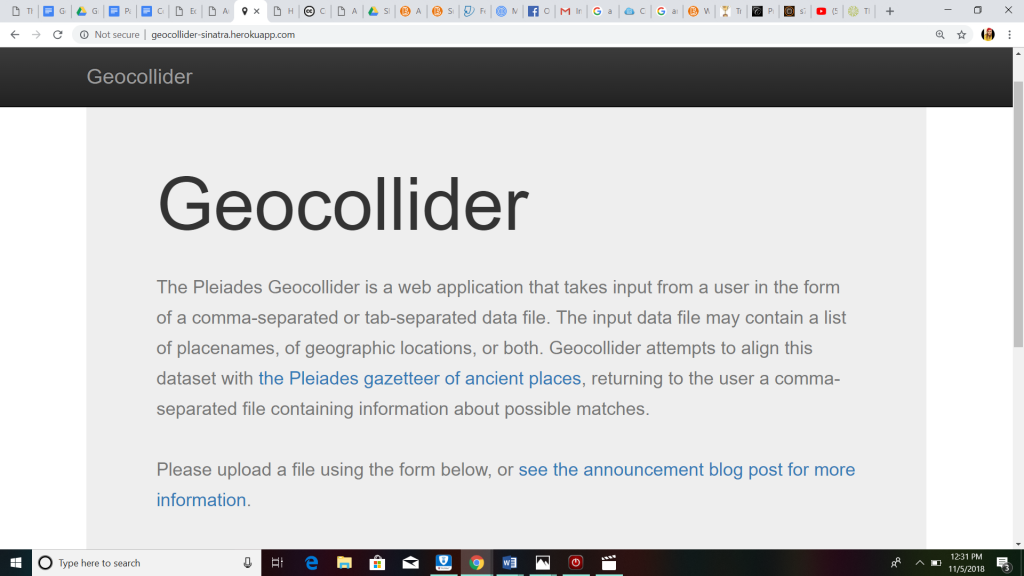
Blogs are a fantastic way to engage with an audience when promoting or elaborating almost anything especially for search engines or web-builders. Pleiades offers a blog page that project owners and guest bloggers can introduce new software tools or updates on the project. For example, Introducing Geocollider was a blog post that informed the public of this new software tool. Geocollider can be described as a data file that stores geographic locations and the names of places. It becomes accessable by emailing pleidaes.admin@nyu.edu or create an issue report on their Github.
SCHOLARS
Scholars typically plan to conduct more in-depth research involving Pleiades has semianual reports that date back to 2012 that analyzes the audience. These reports allow users to view the origins of the projects through qualitative data. For example, this report by Tom R. Elliot informs that Pleiades was created in the U.S. However, the project captivates other projects created by users from different ethnicities like germany, the Netherlands, Spain, and Turkey. This article also noted some content improvements and how to improve the Pleiades Community.
DISCIPLINES
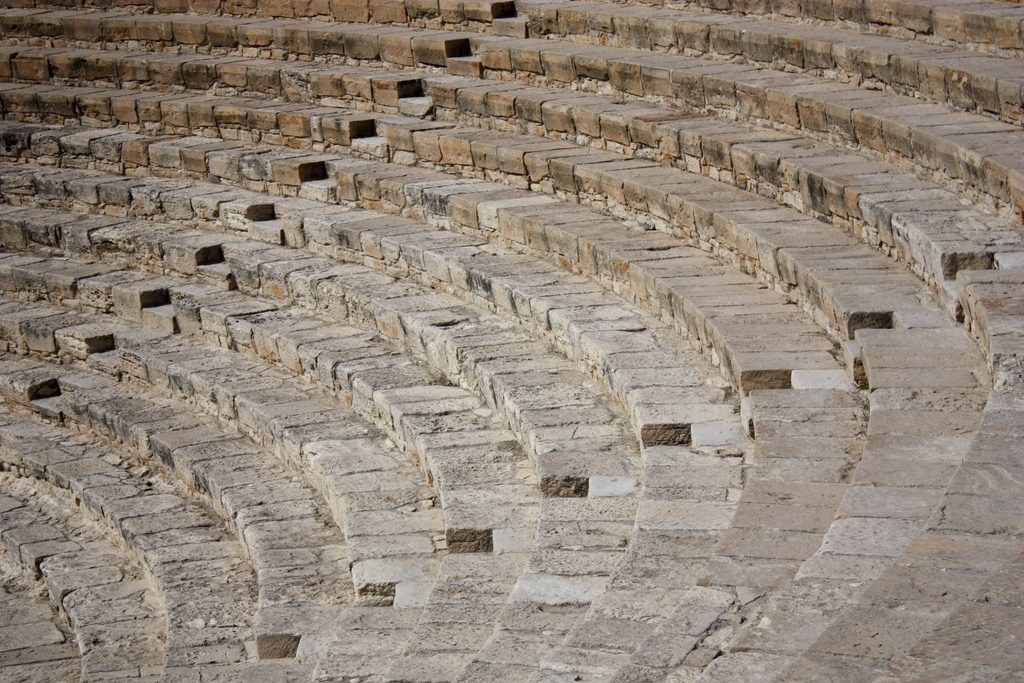
This Photo was taken by Julliette Culver of a theater in Ancient Kourion.
The Disciplines include artists, archeologists, variation of historians, geographers, and data scientists. Pleiades allows users to contribute informaton to larger projects. The Pleiades Credits Page shows the users that they have several editing teams that include Associate Editors, Senior Editors, Reviewers, and Managing Editors. Geographers and archeologists can show interest in Pleiades by exploring new or rare locations of the world. Through the Flickr, artists could use this project as another outlet to share their photos of artwork, ancient cities, or even future wonders of the world. A variation of historians would be intetested in researching all types of artifacts.