Summary overview of tools used in project
The tools used in the Viral Texts Project consist of data mining and archival encoding of editions of a particular reprinted text. It is stated on the creator’s blog:
- Develop an algorithm to identify reprinted texts in newspapers and magazines
- Build a database to publish the reprints we identified
- Annotate the reprints we discovered, adding information about authorship, genre, publication venue, etc.
- Share our database with other scholars
They also wanted to be using computational methods to analyze large databases of 19th-century newspapers, primarily from the Library of Congress’s Chronicling America archive. The process involved text mining to identify reprinted texts and creating computational models to understand which qualities helped certain stories go viral in the 19th century.
Description of tool used
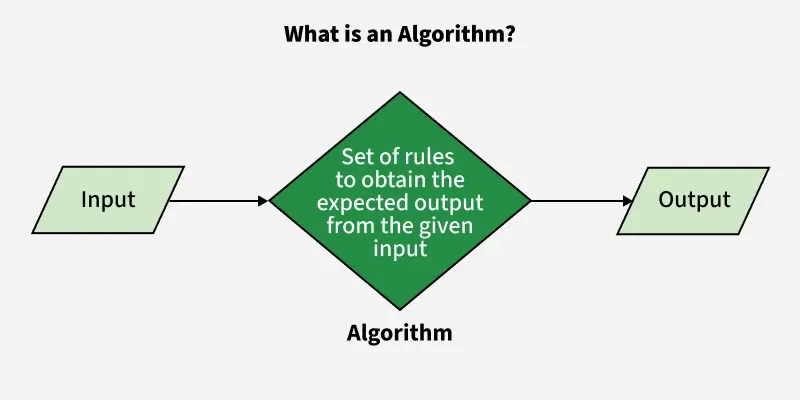
Computational linguistics and tools like Passim were used to detect text reuse and analyze patterns within the data. This allowed them to identify texts that were reprinted multiple times.
Passim is a text mining tool software specifically designed for the analysis of text reuse and intertextuality in large collections of documents. It is mostly useful for scholars in the humanities and social sciences who are interested in tracing the virality of ideas, phrases, and literary elements across different texts.
Passim operates by identifying and comparing passages of text that are identical or highly similar, even if they appear in different documents or in slightly modified forms.

Documentation through this section
The search for finding data gathering methods was tedious, but I ended up finding what I was looking for. Part of my research was done by also watching the embedded YouTube videos I had came across.
Data methods could have been disclosed more thoroughly and sooner in the website pages that I was combing through.