What this project produces
The project generates a set of clear, accessible results based on text-mining public online student conversations.
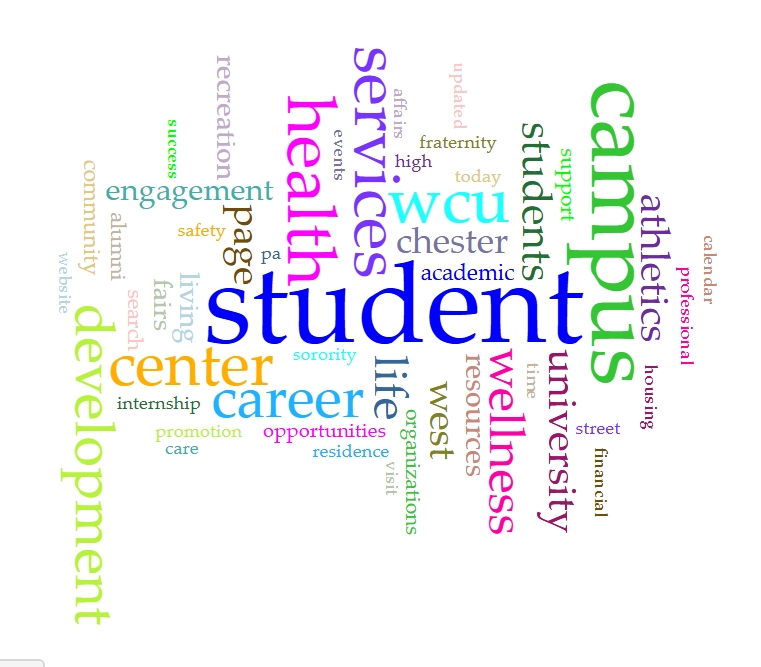
- Word cloud: showing the most common student concerns
- Keyword Frequency: lists that highlight recurring issues
- Topic patterns: showing clusters like stress, housing, workload, or mental health
- Summaries of platform differences
- Interpretive insights about what these patters mean for student life
How these results help the audiences

WCU Students
Students benefit because the project reflects their lived experiences.
- What their peers are struggling with
- How common certain issues really are
- that they are not alone in their stress or concerns
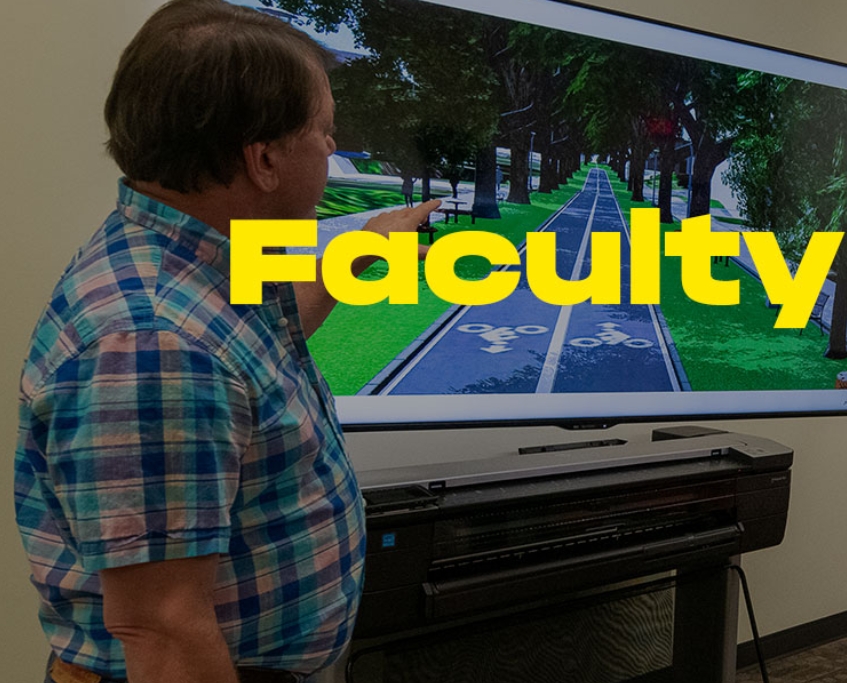
Faculty and Advisors
Faculty gain insight into:
- Where students feel overwhelmed
- Which assignments or schedules cause stress
- What kinds of support students seek online
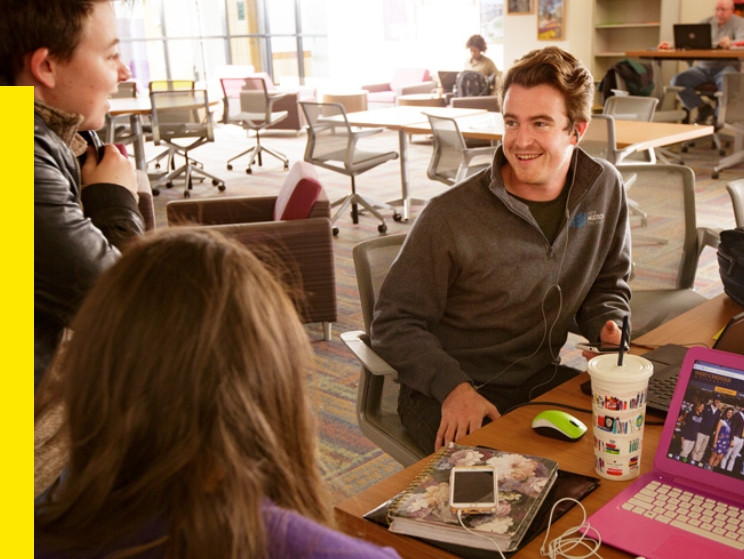
Student Support Services
Counseling, tutoring, and success centers can use the result to:
- Identify hidden needs
- improve outreach
- Tailor workshops or resources
- Understand emotional patterns students express online
How these results help the audiences
Administrators and Campus Leadership
Administrators can use the findings to:
- Detect campus-wide issues early
- Understand student sentiment beyond surveys
- Make data-informed decisions about housing, dining, advising, and resources
This helps WCU respond to student needs more quickly and accurately
Digital Humanities Community
For DH, the project demonstrates:
- How text mining can reveal cultural patters
- How digital communication becomes meaningful data
- How ethical, public-facing analysis can support real communities
It shows DH in action: using digital tools to understand human experience