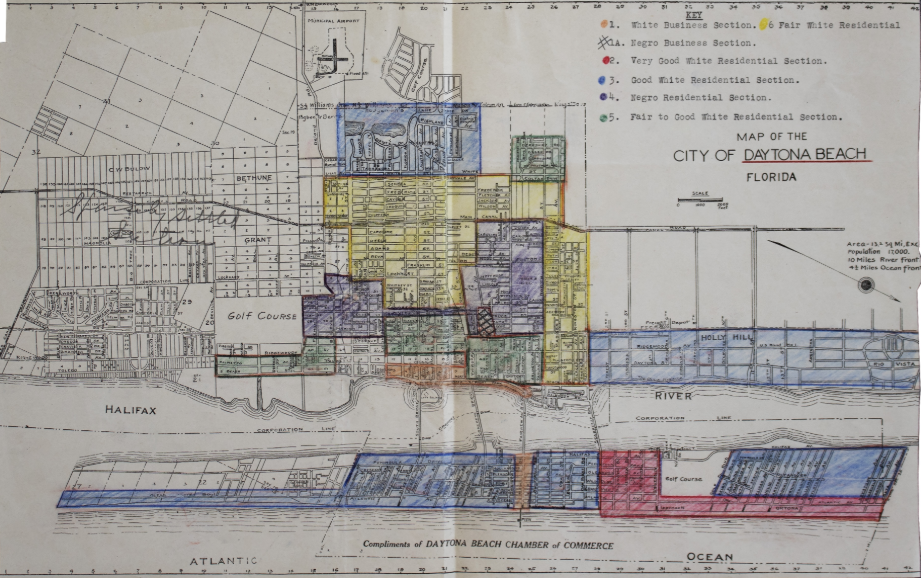
The main goal for this project is to educate and inform the audience on redlining, while also researching the effects of it then and now. The audience is extremely broad, consisting of all in the general population, and includes anyone who has interest in the topic. More specifically, this project is catered to those who are affected by or come into contact with redlining, especially those with an interest in the history of American culture and society, or simply with an interest in maps At its core, the single audience is those who live with in redlined cities and experience the effects of the policies first-hand. However, there is no specific audience, and no group is excluded from this project, as all will have a similar benefit from learning the information featured. The language and writing style featured in the project does not cater to only experts or those with certain understanding of the topic at hand, as someone with no prior knowledge of redlining will have the same experience as those who have previous contact with the subject. The thorough historical context of redlining and explanation of digital mapping allows for complete inclusivity. Therefore, the reach for this project is extremely far, and their goal of educating and spreading awareness of redlining and how it shapes today’s America is completely achievable. As for the goals of digital humanity, this project relates heavily to investigating human culture. As previously mentioned, the policies that caused Redlining have had a large effect on human culture, and in mapping out the reach of it, the project therefore has to do with human culture.