- The Viral Texts project aims to develop theoretical models to understand why certain texts, such as news stories, short fiction, and poetry, “went viral” in nineteenth-century newspapers and magazines. By analyzing text reuse, they seek to explore what made these texts resonate with readers across time and space.
Scholars, particularly those in literary studies, media history, and digital humanities, who are interested in understanding the history of media circulation and the factors influencing the popularity of certain texts. This goal connects to the DH goal of generating new knowledge by leveraging computational tools to analyze large-scale datasets (in this case, nineteenth-century newspapers and magazines), thus enhancing scholarly understanding of historical media practices.
2. Map Networks of Text Reprinting Across Borders
The project explores how texts were reprinted internationally, focusing on the reprinting of texts in the U.S., UK, and Australia, and how ideas spread across these nations in the nineteenth century. This could help us understand transnational media flow and its impact on cultural and political ideas. The audience includes media historians, cultural scholars, and historians of the nineteenth century who are studying global networks of information exchange. This goal connects with DH’s goal of improving access to historical data and enabling new forms of cross-cultural analysis through digital tools.

3. Examine the Virality of Racial Terror Reports
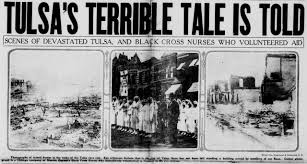
The team collaborates with the Racial Violence Archive to investigate how reports about anti-Black violence spread through U.S. newspapers in the late nineteenth and early twentieth centuries, shedding light on the vitality of racial terror in the public sphere. This aims to reach the audience of scholars in the fields of racial studies, journalism history, and digital humanities, as well as educators and public historians. This aligns with the DH focus on social justice, as the project uses computational tools to explore the cultural and historical impacts of media coverage on racial violence, which has important implications for public history and education.