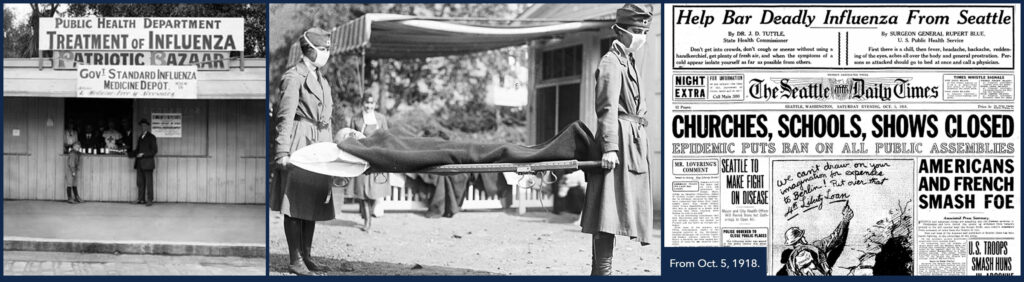
This project algins with digital huimanities vaules by using computational techniques such as the Tone anaylsis, and Topic Modeling and Segmentation to anaylze historical media about the Infulenza pandemic. All of this can show how digital humanities can make historical data more accessible, and helps us analyze what were seeing and reading. This can help us reveal patterens and insights about the public health information, how the media shaped public opinion and responses, and societal perceptions of how it was during crisies. With this blend of traditional alaysis with digtial tools embodies DH’s interdisciplinary approach. Collaboration was a big DH value that aligns with this project, this brought historians, data scientists, and digital tool experts to work together to anaylze these historical texts. this mutidisciplinary approach helps provide deeper information and insights to all these newspapers which over 100 in this project were anaylzed. Experimentation is the second value that aligns by using old data from the newspapers and nothing re-written, changed, or even messed with. They even didn’t try to fix any words, which some weren’t eligible or even real words. Everything that was analyzed by one researcher was then analyzed by many more people after. Last, maybe the most important out of the vaules, Transparency, this project made it processs and findings openly accessible allowing viewers to see these methods being used. (for example the topic modeling and sentiment analysis) sharing this information to the public lets them understand both the content & context, making this project trustworthy and reproducibe.