The project we are looking at is “An Epidemiology of Information, Data Mining the 1918 Influenza Pandemic”. This project that is used to understand how newspapers shaped the public opinion during the 1918 influenza pandemic. With it, we get a better understanding of the flow of information during this time about the disease.

This project looked into 4 different case studies including Weekly Newspapers, Daily Newspapers, Vaccination-Visualization, and Public Health Officials.
- The Weekly Newspapers case study looks at how weekly newspapers in the U.S. and Canada covered the 1918 influenza pandemic, using digital tools to analyze the content. It found that newspapers shared early national news about the flu, then focused on local stories about illness and public health measures as the outbreak spread. The tone of reporting shifted from warnings to more reassuring messages over time, showing how these newspapers acted like modern social media in sharing both official information and personal stories.
- The Daily Newspapers case study analyzes how 16 newspapers reported on the 1918 influenza pandemic using data mining to identify key word clusters. It highlights differences in local and national reporting, showing how certain topics, like quarantine or football, may appear more prominent at the national level even if less frequent locally.
- The Vaccination-Visualization case study examines how data mining and visualization can be used to analyze vaccination-related reporting during the pandemic. Using topic modeling of 90 newspapers from 1918-1919, the researchers analyze how vaccines were discussed before, during, and after the pandemic, highlighting the impact of excluding terms like “serum” on the results.
- The Public Health Officials case study looks at Royal S. Copeland, New York City’s Health Commissioner, during the 1918 flu, and how his statements about the flu were reported in newspapers. Using topic modeling and tone analysis, the study shows that Copeland was closely linked to public health measures both in New York and across the country, with his writings going from reassuring to cautionary.

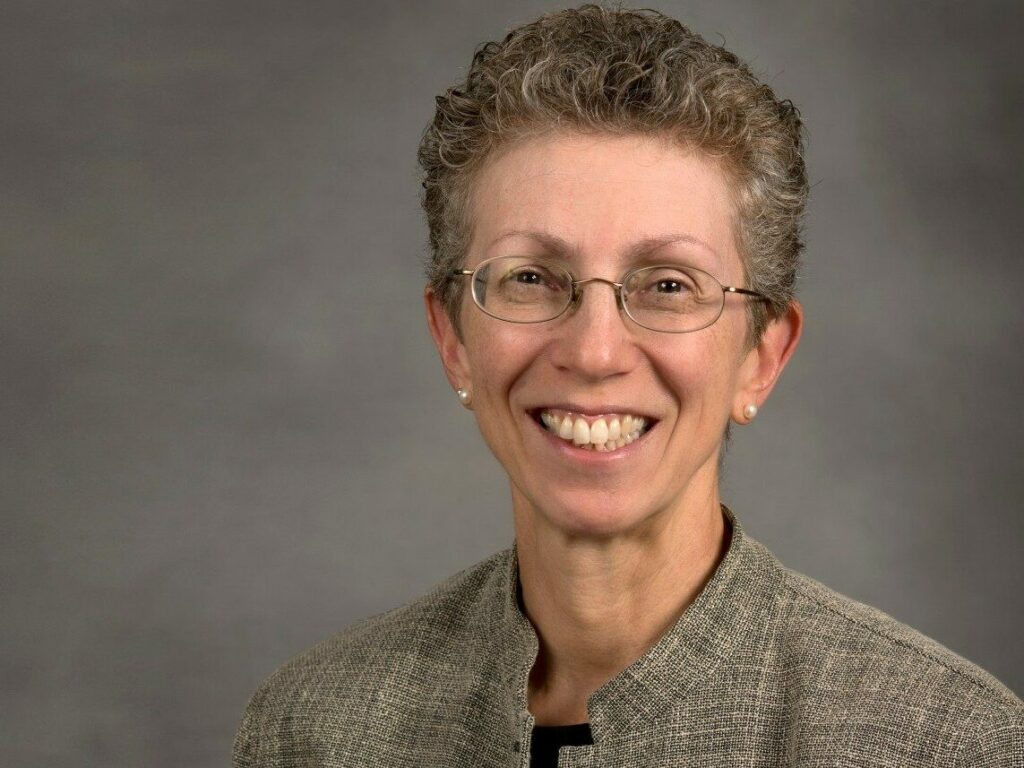

The project was created by professors at Virginia Tech including, E. Thomas Ewing, Bernice L. Hausman, Bruce Pencek, Narendran Ramakrishnan, Michelle M.H. Seref. Samah Gad, and Kathleen T. Kerr. They also received help from Gunther Eysenbach, a professor at the University of Toronto. It began in 2011 at Virginia Tech and successfully ended in April of 2014.