The main audience for the What America Ate project are historians. The project serves as an indexed browser that can be filtered through based on year and location. For example, if a historian was researching what was in New York in 1935, they could use this project to find primary sources that show what the common meal preparation and eating habits were. The project also has an explore history tab that includes some essay written by other historians that could prove valuable as secondary sources. Sociologists may also find this project valuable as a way to research the ways that the socioeconomic conditions of various locations in Depression Era America effected the their food practices.
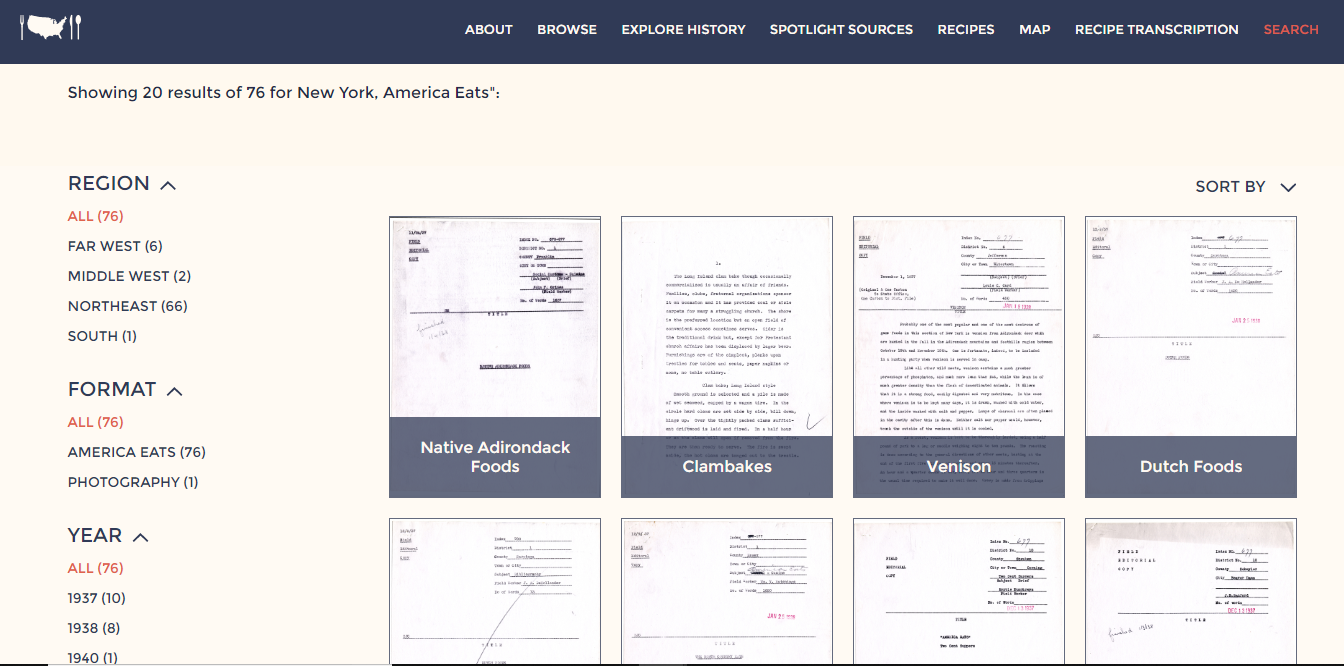 Literary scholars would be most interested in the archive of essays written by participants in the Federal Writers Project “America Eats” project. These essays reveal not only the ways that Americans prepared and ate food, but the way it was written about and documented.
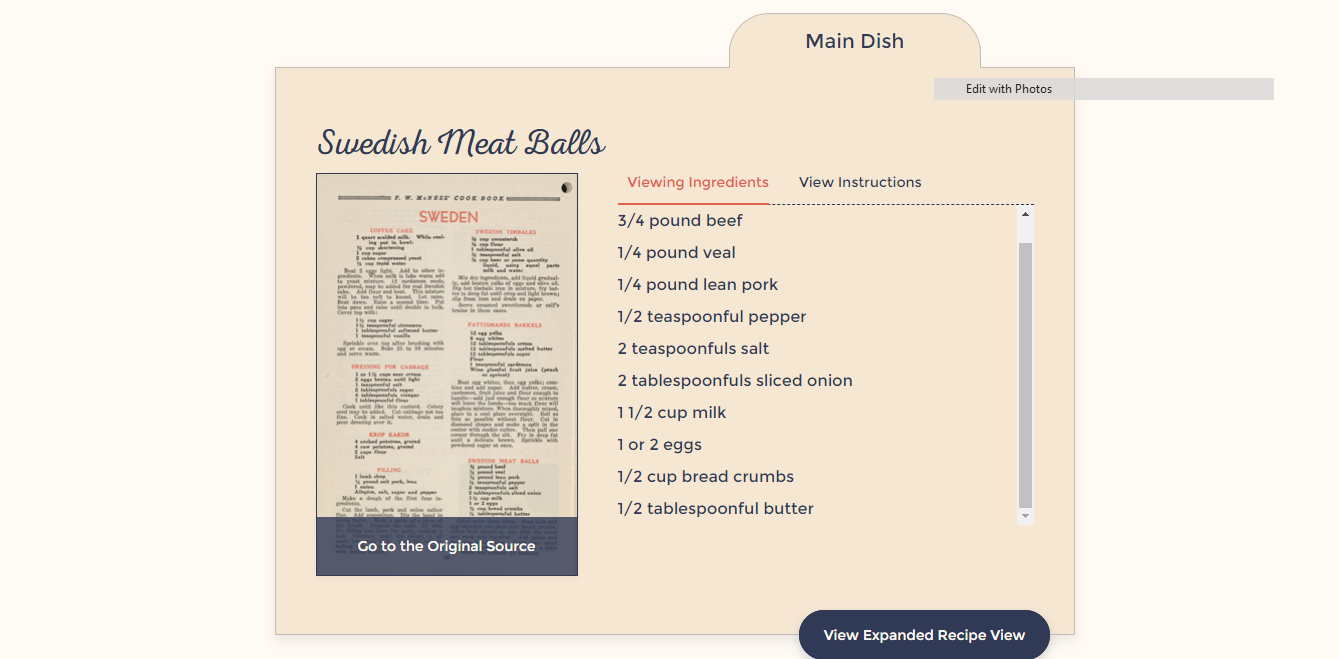
Chefs, particularly those that are interested in making period style dishes, would also find this project to be an invaluable resource. There are 193 cookbooks available with 1488 individual recipes including alcoholic drinks, appetizers, bread, breakfast, main dishes, sauces, and more.
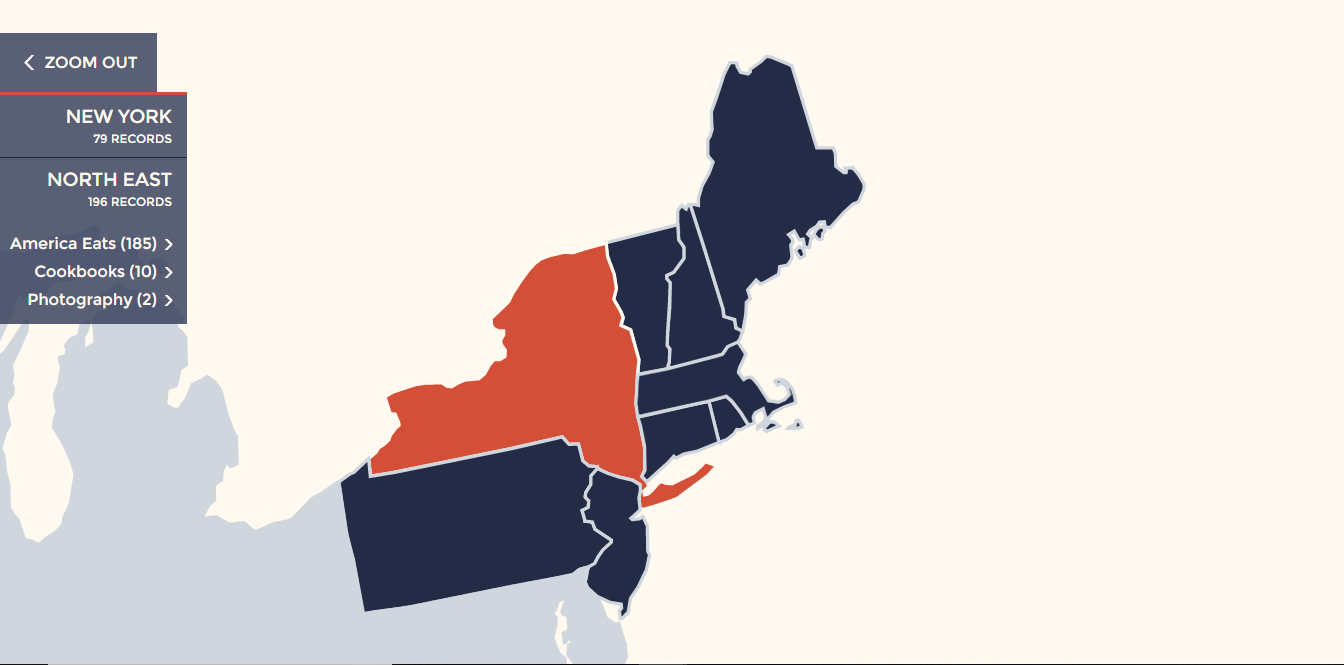
Educators may even find What America Ate valuable in the classroom. History, especially the depression era may often seem distant and abstract to children. Food is an instantly recognizable facet of all human experience and could help children connect with the past. The user interface is precise enough for scholarship, but also user friendly enough for children to use and easily understand. This is especially true of the interactive map.
Cultural critics from many disciplines may find the range of text available interesting. The differences between the way food is written about in the America Eats project, community cookbooks, and advertising offers a vast area of inquiry and analysis.
Anyone is also welcome to contribute to the growing archive. These documents are scattered and often fragile, especially pieces from the America Eats project. By submitting, you could help preserve a wealth of information about America’s past.
