Overview
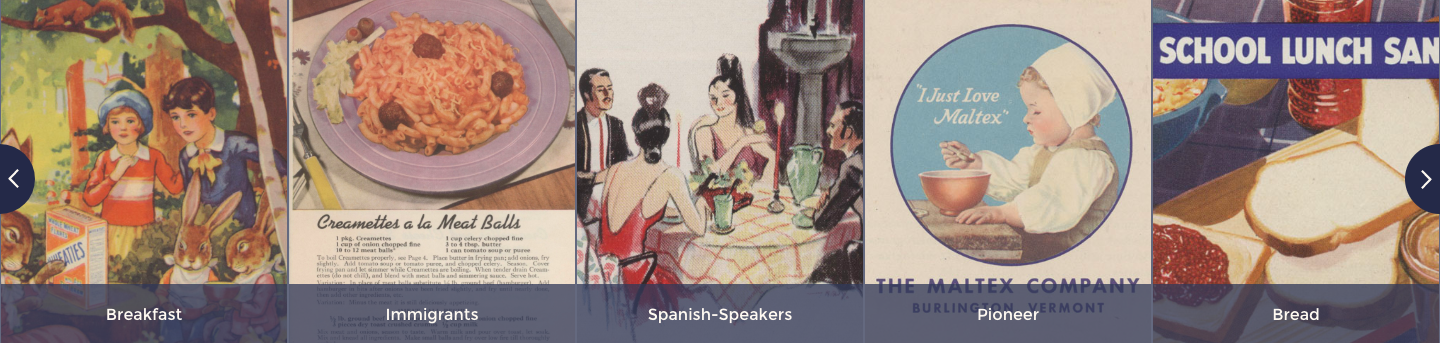
What America Ate is an award winning project that looks into the diverse types of cuisine that people from different regions of America were eating during the Great Depression. The website was established as a platform to preserve the recipes and eating habits of different regions in America during the economic crisis. A key feature of the site is it’s interactive map with digital archives of rare advertisements, food packaging materials and pamphlets produced by the food companies during the depression. The website also includes over 200 detailed community cookbooks, which were originally cheap and flimsy books passed along by neighbors, but are a now valued source that allow you to dive deeper into the historical context of the time. Michigan State’s department of history put the interactive website together, but there were many writers and photographers that contributed to collecting this information by interviewing chefs and describing the food customs throughout America. Whether you’re looking for a vintage recipe for chocolate cake or simply to expand your knowledge on American culture during the 1930’s, you’ll find what you’re looking for with What America Ate.
Significance
The reason why What America Ate is so remarkable to the digital humanities is it’s ability to engage the public. This site is very user friendly and not only draws the attention of historians, but also any individual who is seeking a new way of cooking. This project provides different resources and artifacts to the public that help describe the culture of America during the Great Depression. It allows us to access artifacts that would have otherwise been forgotten about and also preserves them indefinitely, giving its users extensive insight into how people lived, or more specifically, ate during the Great Depression. Through the use of this site we can gain insight on how new foods, new immigrants, large national food and equipment companies, and national advertising all combined to change life in the United States.