Queer Studies Explained
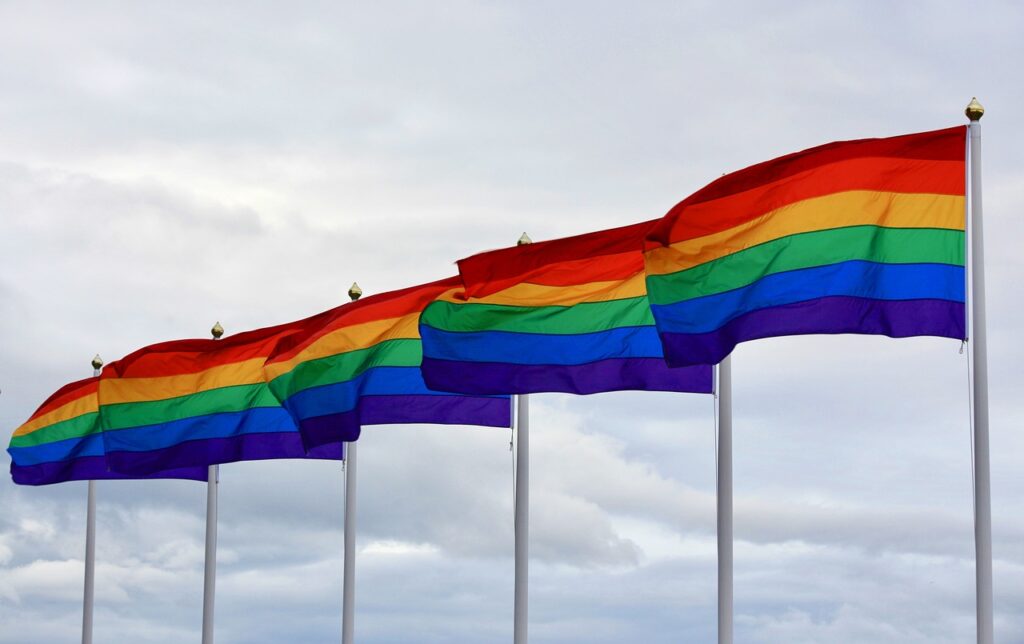
Queer Studies – also called Gender Studies, Sexuality Studies, LGBT Studies, or Women’s & Gender Studies here at WCU – is the interdisciplinary study of human sexuality, gender identity, and the sociocultural impacts of said concepts on human thought. By incorporating elements of literary theory, history, sociology, philosophy, anthropology, political science, biology, and beyond, Queer Studies seeks to elevate conversations around LGBTQIA+ people and history that have been historically ignored within academia.
Queer Studies emerged as an offshoot of feminism and gender studies in the late 20th century in response to the historical exclusion of queer people and their works from mainstream academic study. An umbrella term, Queer Studies encompasses both theoretical inquiry and activist organization; popular sub-disciplines include LGBT history, queer theory, political activism, and intersectional analysis. Essentially, the discipline exists due to its topics being excluded from other fields; thus, Queer Studies seeks to remedy this through its own interdisciplinary activity.
Historically, the term “queer” has had several interpretations, including being a synonym for “odd” or “abnormal” prior to the 19th century. In the late 19th and throughout the 20th century, the term became a pejorative for any person who “deviated” from heterosexual behavior or did not meet the social expectations of their assigned gender. Nevertheless, in the late 20th and early 21st century, some activists began to reclaim the slur as a tool for collective identification and empowerment. The term is not universally accepted, however, thus its usage is not always consistent across institutions.