Digital Transgender Archive (DTA)

The Digital Transgender Archive (DTA) is an online digital archive that seeks to increase accessibility to transgender history by housing “digitized historical materials, born-digital materials, and information on archival holdings” related to transgender studies from around the world. Additionally, the DTA fosters international collaboration between universities, libraries, nonprofit organizations, and private collections to create, share, and communicate information about transgender studies to the general public.
The DTA publicly launched in 2016 after several years of preparation by Queer Studies scholars K.J. Rawson and Nick Matte. The project is funded by Northeastern University in Boston, Massachusetts, where Rawson works as a professor. Specializing in transgender studies, a sub-discipline of Queer Studies, the project was created with three primary goals:
- To remedy the lack of transgender-related primary source materials available online.
- To virtually merge and connect disparate archives from around the world, including university-based, nonprofit, grassroots, and private collections.
- To allow researchers access to materials that may not be categorized as relating to transgender studies, whether due to historical age (most materials prior to the 1990s in the U.S.) or to cultural context (many cultures do not use the Western-specific term, “transgender”).
Ultimately, by creating an organized digital home for transgender archival material, the DTA is the perfect resource for any researcher or scholar interested in transgender studies.
Below are some examples of the materials housed within the DTA:
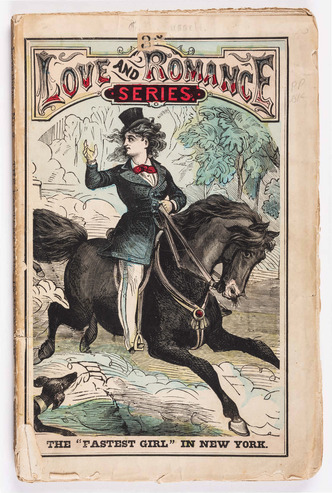
Dime Novels: “A collection of 19th century books that sensationally portray figures who cross-dressed for various purposes.”
Marsha P. Johnson and Sylvia Rivera Collection: “Based in New York City, Marsha P. Johnson and Sylvia Rivera are well-known trans women of color who spent decades of their lives side-by-side, engaging in activism on behalf of the most marginalized members of their communities. This collection includes a range of materials about Marsha and Sylvia, in both their activist efforts and daily lives. Dated as early as 1968, these materials include photographs, correspondence, periodical clippings, event flyers and programs, audiovisual interviews and transcripts, and art from several collaborating institutions.”

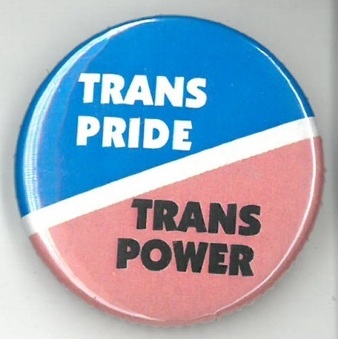
Button Collection: “These buttons and pins are from multiple institutions and include a variety of symbols related to the LGBTI community. This collection includes pins from Alison Laing, who is an activist involved in a number of trans rights organizations and events.”