Thank you for watching!

In marketing, a key component to being successful is to know who your audience is as well am having good brand constancy. This also aligns with digital humanities due to the fact that you want to preserve culture as well as keeping their reputation positive. As said by college professor Mary Balkun, “In Digital Marketing, demographics are used to better understand prospective customers and to effectively reach a targeted audience. Through demographics data, strategies are developed to utilize popular social media platforms to get the right message to the right group of people.” From a social media perspective, using demographic data can help deliver the right message to the right audience.

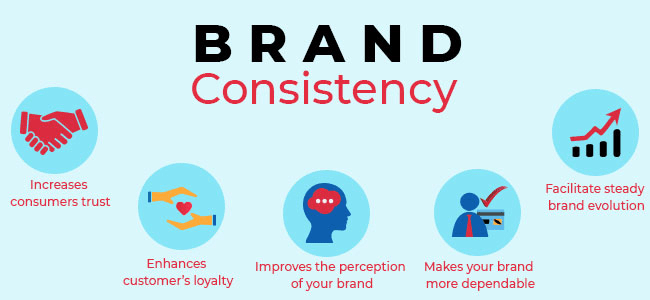
The goals of both, digital humanities and marketing are pretty similar. For one, marketing as seen basically everywhere is to generate a demand for a certain item. Hopefully resulting in more sales which means more money for the company that is paying for the add. Similar to that, digital humanities is here to enhance research and analysis, and use tools to study and share historical materials in a totally unique and new way.
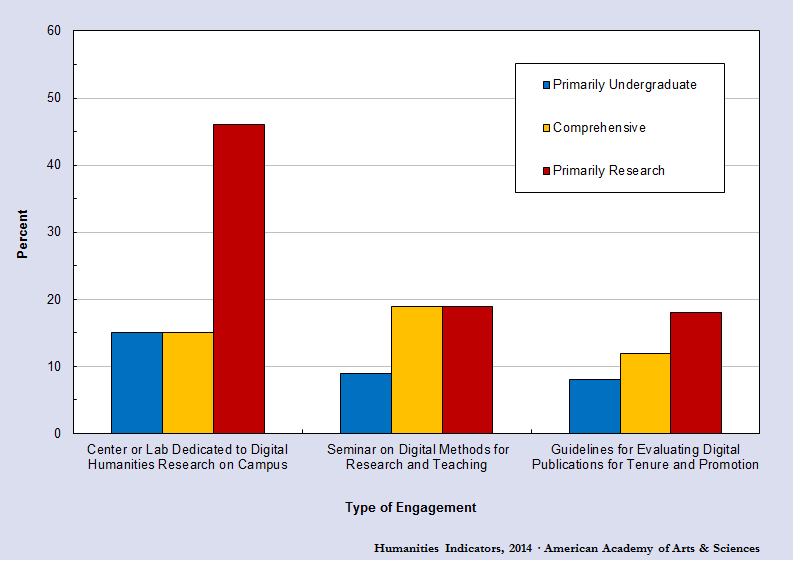
Search Engine Optimization
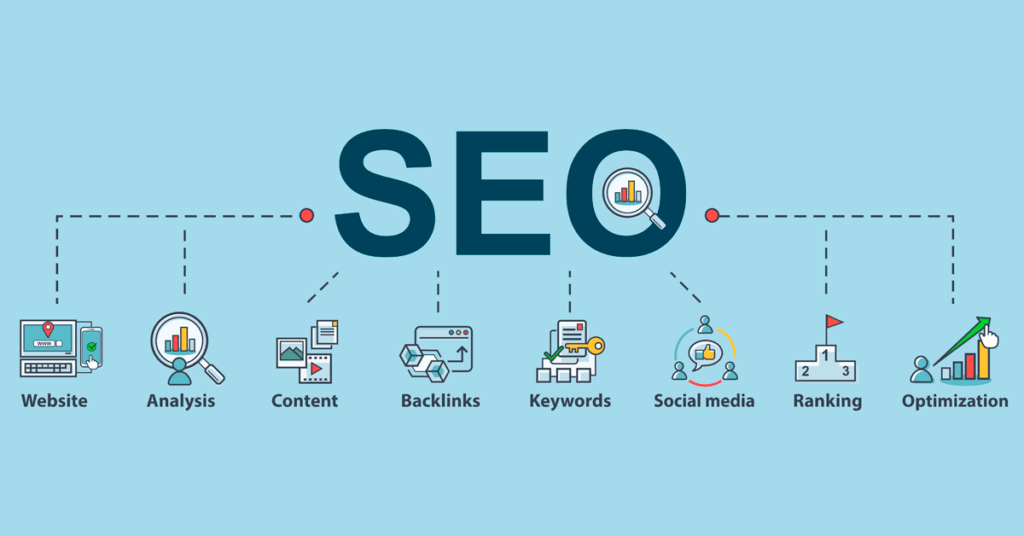
One tool that I saw both digital humanities and marketing use is SEO (Search Engine Optimization). This is the process of helping to improve a company’s website, structure and visibility. The end goal is essentially helping companies get customers to their website without paying for ads.
Google workplace
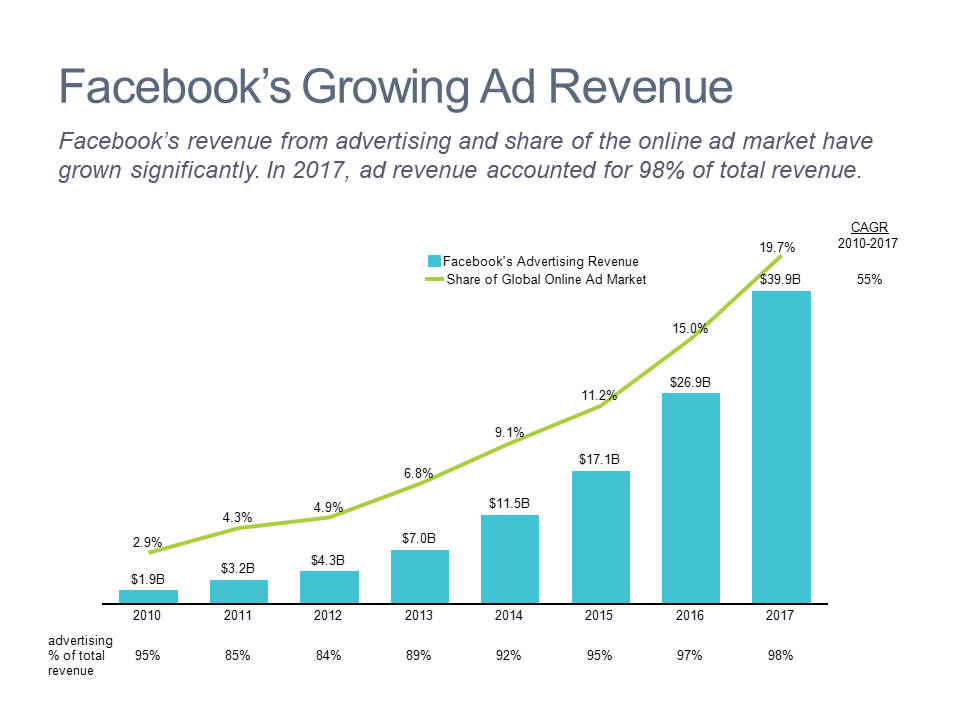
Lee, Heejun. Digital Advertising: Present and Future Prospects : International Journal of Advertising: Vol 39 , No 3 – Get Access, 25 July 2019, www.tandfonline.com/doi/full/10.1080/02650487.2019.1642015.
“New digital technologies have dramatically changed the way firms communicate and interact with consumers via digital media. In this digital era, what does the future of advertising look like? How can scholars enhance research on digital advertising? And how can firms and agencies maximize their return on advertising?”
This quote above highlights the pure importance of digital technologies and how they have transformed communication between firms and customers. It also expresses the great change that has occurred over the last few years. Not just advertising in the newspaper, etc but putting up digital adds, commercials and much more seems to be the new way of marketing.

Kelloggs 1953 famous newspaper advertisement
This old print advertisement featuring the line “No spoon has ever held more whole grain goodness” presents a wholesome image mainly emphasizing simplicity as well as nutrition. This advertisement is focusing on the fact that this cereal is one hundred percent whole grain. The layout of the add is very simple, there are no extra extra words or colors, it gets straight to the point and customers will know exactly what they will be getting.
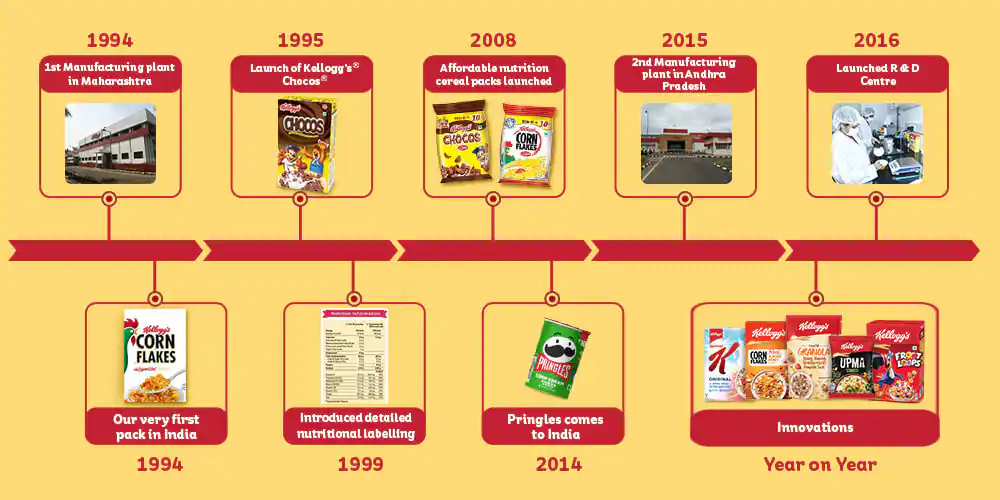
MARKETING
The discipline that I chose to connect with Digital Humanities is marketing. This concept as a whole can be very vague, there are so many different forms of marketing out there. As famous businessman, Sergio Zyman puts it, “The sole purpose of marketing is to sell more to more people, more often and at higher prices. There is no other reason to do it.” Often, people will not purchase a certain product that they know nothing about. They like to have a little insight on the product they are purchasing and what it’s some purpose is.
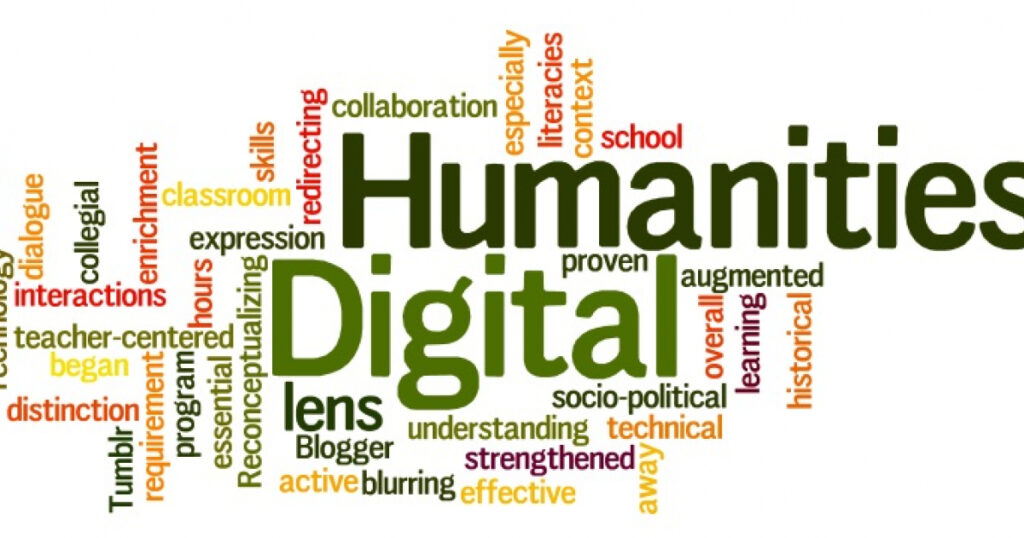
Digital Humanities
Humanities as a whole are essentially a plethora of academic disciplines that studies human culture, history, etc. If you dive into one specific humanity, which in this case is Digital Humanities, as stated previously, is a humantiy that focuses mainly in computing and digital technologies that is used to help analyze human culture, history and much more. As stated by college professor David M. Berry, “Digital humanities incorporate key insights from languages and literature, history, music, media and communications, computer science and information studies … Indeed, as early adopters of technology, digital humanists were prescient in seeing that computation would have an increasing centrality to research in the humanities.” This quote emphasizes that digital technology is essentially a bridge connecting itself with other human disciplines.

About