Conflict Data & Digital Humanities

ACLED Tools and Technologies

ACLED is not only a dataset but also a digital platform built from multiple tools that help users access, filter, summarize, and download information about conflict and protest. This page examines the main technologies ACLED uses to present its data and explains how those tools support research, public access, and interpretation.
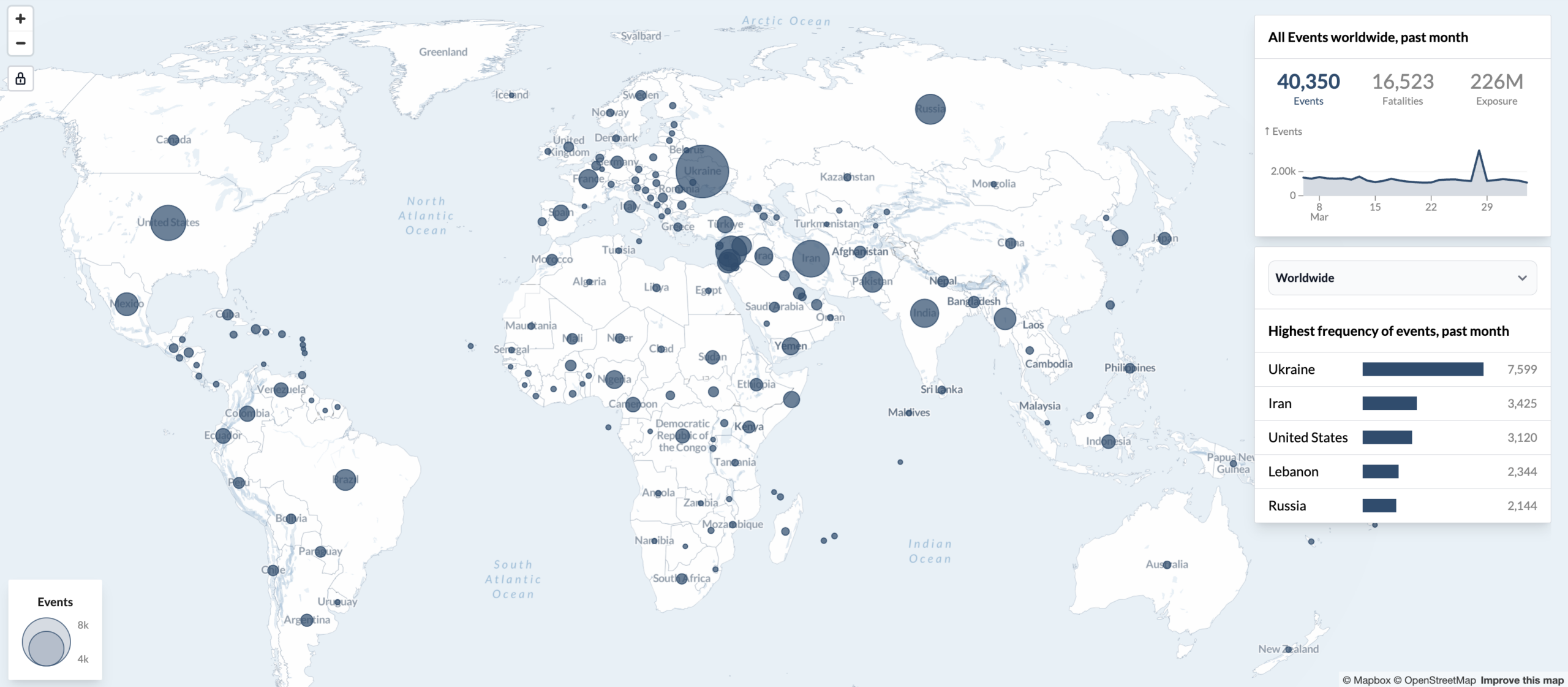
Explorer

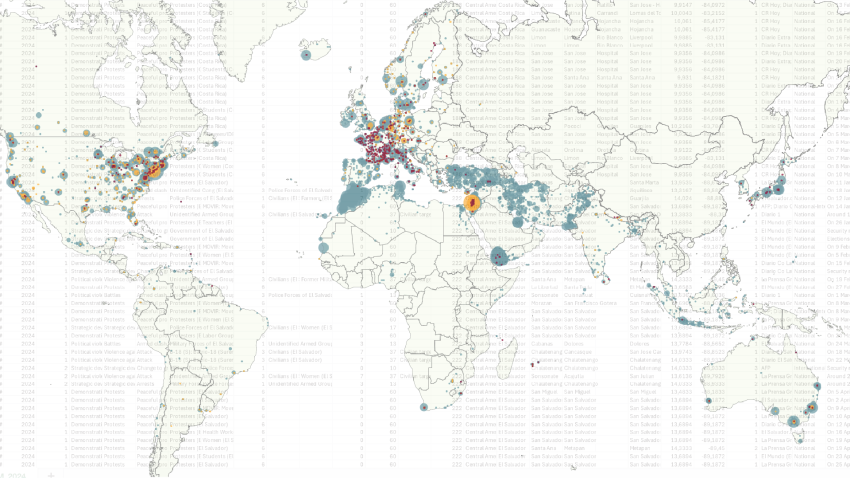
The ACLED Explorer is one of the project’s most visible public tools. It allows users to filter and summarize data from the past year, while country profiles provide subnational data and trend information. This makes the Explorer especially useful for users who need visual and interactive access to ACLED data without working directly with raw files or code. It is directly intertwined with ACLED’s vast amount of data.

API

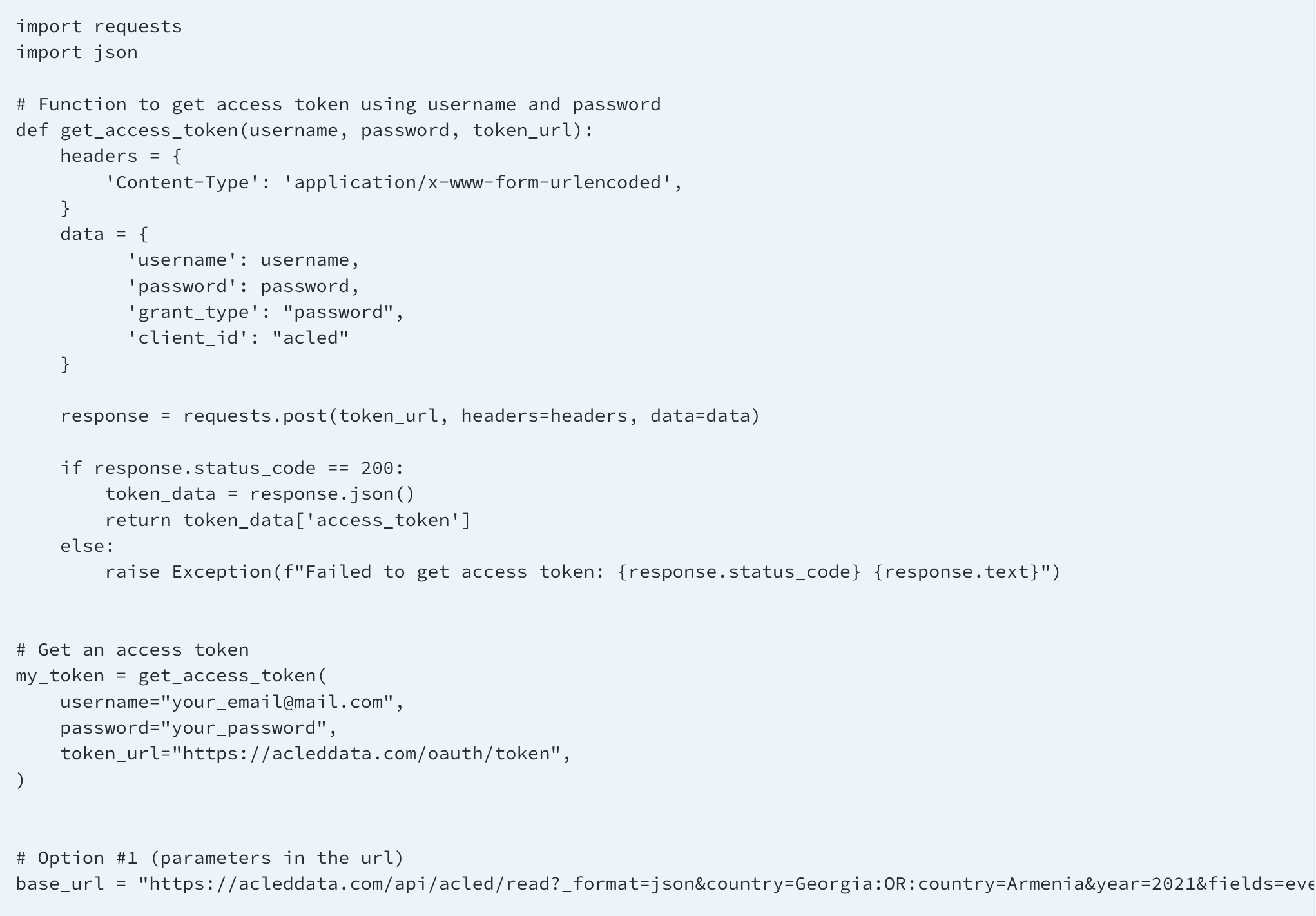
The API is one of ACLED’s most important technologies for advanced data access. ACLED’s API documentation explains how users can authenticate, build query URLs, request data in different formats, and retrieve specific subsets of the dataset through browser-based requests or programming languages such as Python and R. This tool is especially important for researchers and analysts who need to integrate ACLED data into larger workflows.

Download and Export

ACLED also provides data through download and export tools. The codebook and download pages explain that data can be accessed through the export tool, curated data files, and additional grouped files for specific regions, actors, or event types. This system allows users to retrieve subsets of data without needing to work through the full API workflow.

Codebook and Knowledge Base

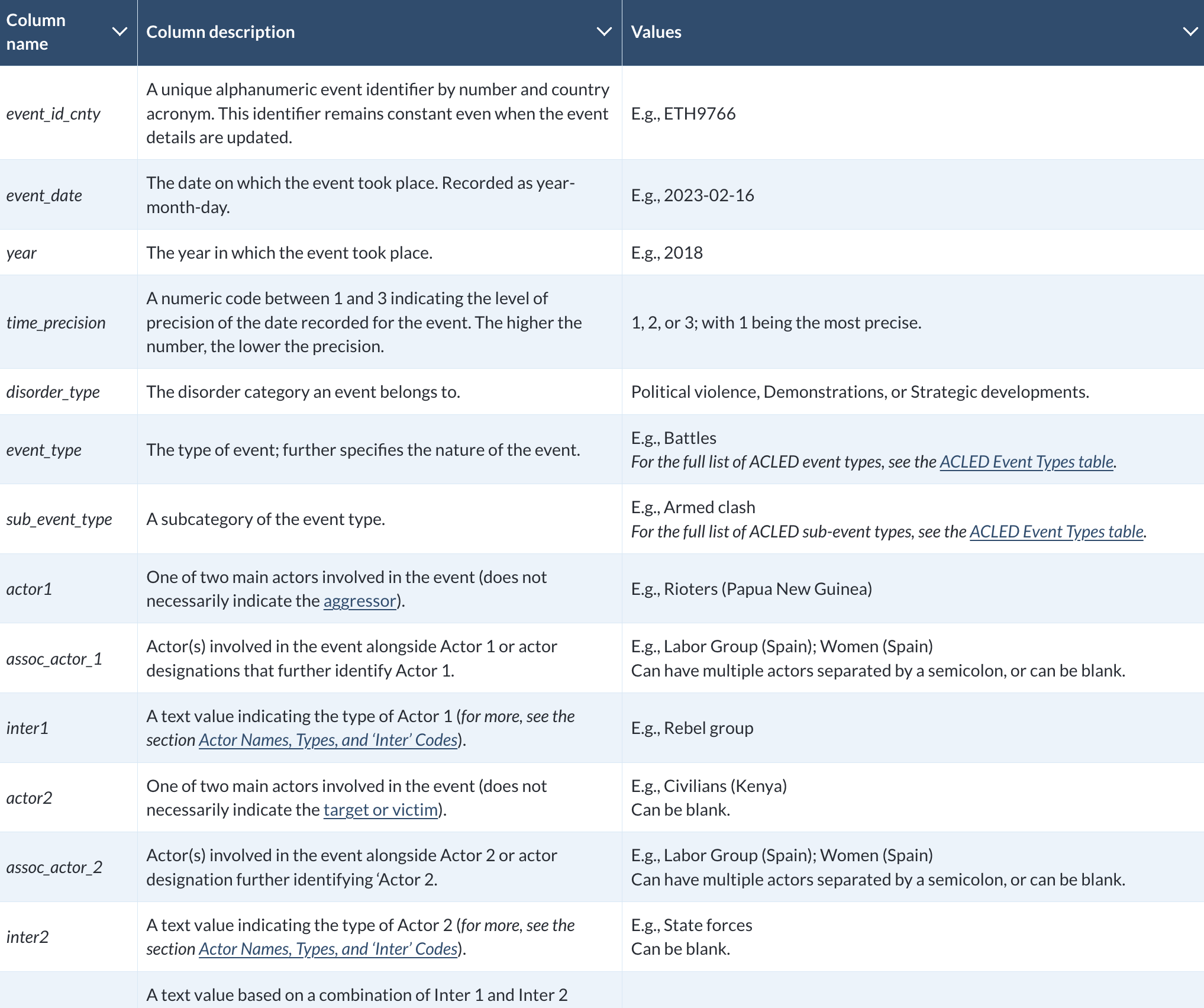
Although they are not “tools” in the same way as the API or Explorer, the Codebook and Knowledge Base are essential technologies within the project. The Codebook defines event types, actor categories, and the overall data collection process, while the Knowledge Base provides additional methodological guides and coding explanations. These resources are necessary for users to interpret the dataset correctly.