The main result of Envisioning Baroque Rome is an interactive three-dimensional reconstruction of Rome as it appeared around 1676. The project uses historical maps and engravings by Giovanni Battista Falda to recreate the city’s buildings, streets, and public spaces. Using Unity, the team turns these historical sources into a virtual environment that allows people to explore Baroque Rome.
The Interactive Visualization
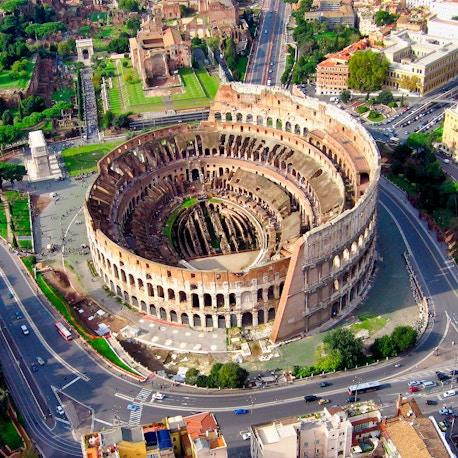
The finished portions of the project allow users to walk through reconstructed streets, explore buildings, and visit historical locations throughout Rome. Some of the areas available to explore include Piazza Navona, Piazza del Popolo, the Colosseum, and the Pantheon. Users can move through the environment using keyboard controls and a mouse, allowing them to view the reconstructed city from different perspectives.
The project is still developing, with additional areas being added over time. Some sections of the city are already available to explore, while others are still under construction.
Impact on the Audience
The main audience for this project is the general public, especially people interested in history, architecture, and seeing what Rome looked like during the Baroque period. Users do not need to be historians or researchers to explore the reconstruction. They can experience a digital version of the historical city without having to travel to Italy.
The project gives its audience a way to experience history instead of only reading about it or looking at historical maps and engravings. Visitors can explore the city’s streets and buildings, see how different locations were arranged, and gain a better understanding of Baroque architecture and culture.
Connection to the Project’s Goals and Digital Humanities Values
The results directly support the project’s main goal of reconstructing Rome as it appeared around 1676. The interactive environment allows the general public to explore the historical city and learn about its architecture and cultural heritage.
The project also connects to the Digital Humanities values of transparency and openness. Its online visualization makes the results of historical research accessible to the public. The research reports also provide information about the historical evidence and decisions behind parts of the reconstruction. However, the public cannot access all of the underlying digital models or Unity project files to reuse or modify them.
Overall, Envisioning Baroque Rome gives its audience an interactive way to explore and understand the history of Baroque Rome. It demonstrates how Digital Humanities can combine historical research and digital technology to make cultural heritage more accessible and engaging.