Envisioning Baroque Rome demonstrates several important Digital Humanities best practices through its use of historical research, digital technology, and public access. The project does a good job of combining historical evidence with an interactive three dimensional reconstruction. However, there are also areas where it could improve, especially when it comes to technical documentation and sharing its digital materials.
Historical Research and Accuracy
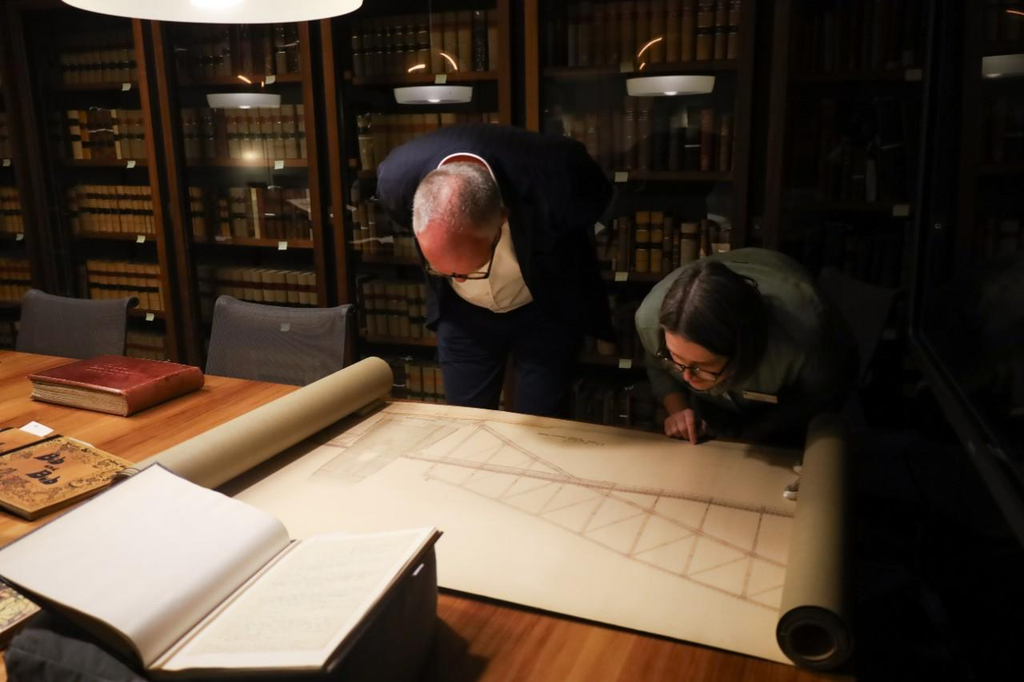
One of the project’s strongest points is its use of historical evidence. The team studies Giovanni Battista Falda’s 1676 map and engravings, compares them with other historical maps and archival sources, and researches details such as building heights, street materials, and the width of public squares. The team also documents historical evidence and explains decisions made during the reconstruction process. This helps make the project more reliable because its models are based on historical research rather than simply guessing what the city looked like.
Transparency and Documentation
The project demonstrates transparency through its research reports, which explain the historical sources and decisions behind specific parts of the reconstruction. These reports help visitors understand how researchers interpreted the evidence. However, the project could improve its technical documentation by providing more detailed information about how the digital models and Unity environment were created. The published reports explain historical research, but they do not provide complete technical instructions for recreating the digital project.
Openness and Accessibility
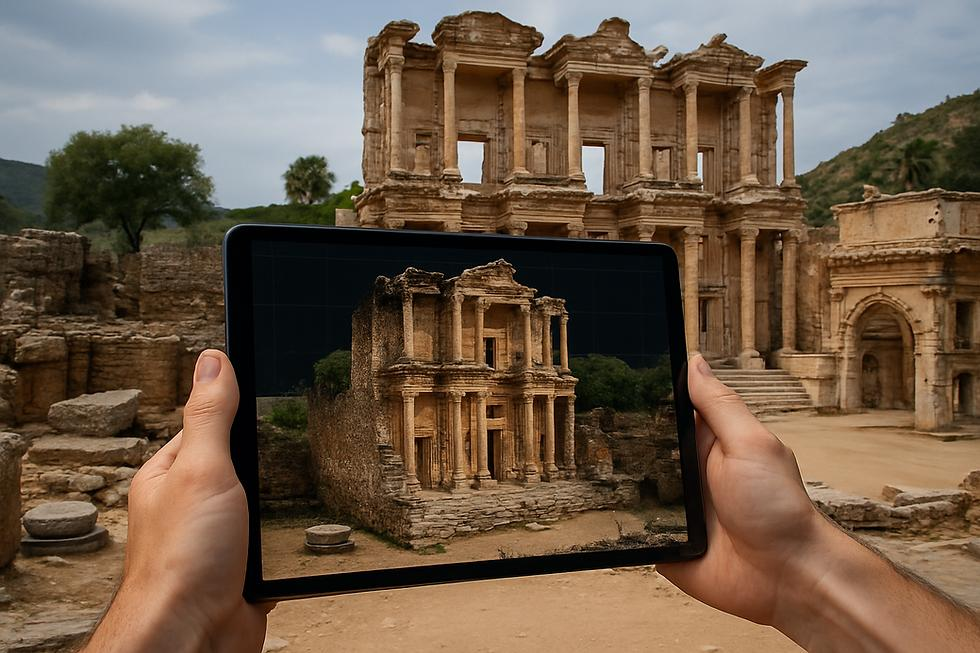
The project does well at making its results accessible to the public. Its interactive reconstruction is available online, allowing people to explore Baroque Rome without needing specialized knowledge or access to academic resources. However, there is a difference between making a finished project available to view and making its digital materials available for reuse. The underlying 3D models and Unity project files are not publicly provided for others to download, modify, or build upon. Sharing these materials would make the project more open and useful to other researchers and creators.
Overall Evaluation
Overall, Envisioning Baroque Rome follows several important Digital Humanities best practices. It combines historical research with digital technology, provides research reports, and makes an interactive reconstruction available to the public. Its strongest areas are historical research and public accessibility. Its main limitations are the lack of complete technical documentation and the limited availability of its underlying digital materials.
The project is successful at helping people explore and understand the cultural history of Baroque Rome. However, providing more technical documentation and making some of its digital assets available for reuse would improve its transparency, openness, and long-term value to the Digital Humanities community.