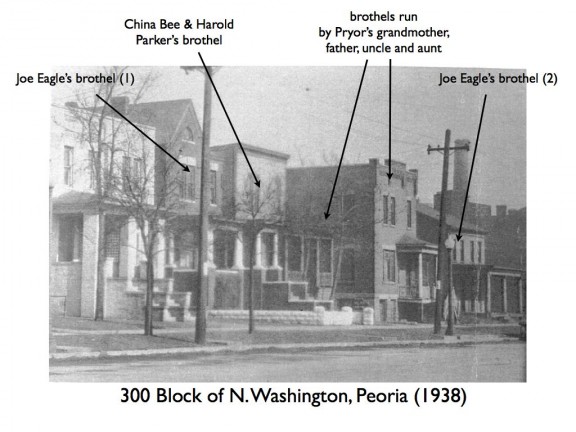
The first goal is to better understand the first 20 years of Pryor’s life. The article “Pryor’s Peoria” on becomingrichardpryor.com portrays Peoria, Illinois, as the “Crucible.” Where Pryor’s comedic intelligence was created, this article speaks on Pryor’s frightening childhood inside his grandmother’s whorehouse. It emphasizes the struggles and the intricate surroundings that formed his childhood. Because of this information, the article can argue that getting control of this period is necessary for understanding the source of Pryor’s peculiar comical view, relentless honesty, and how being vulnerable characterized Pryors established work. Thus, looking into his first 20 years, it is essential to understand Richard Proyer.
Digital Humanities allows for an all around data-driven exploration of Pryor’s younger life. This transcends qualitative narratives to a more thoroughly contextualized and factually based comprehension.
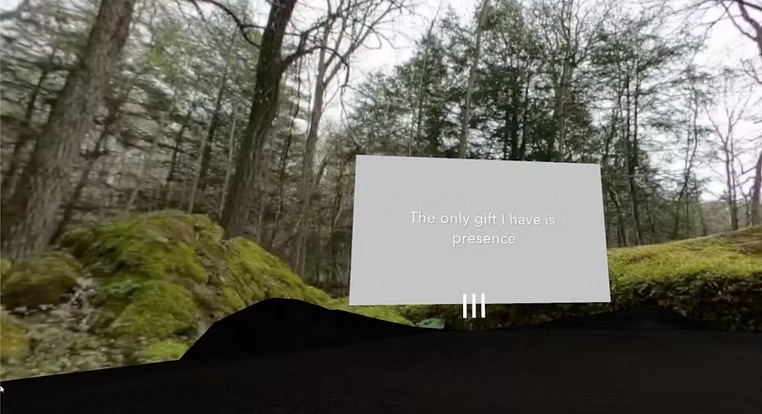
Another goal is to understand how the Decameron Project applied online storytelling to encourage mental well-being throughout COVID-19. It gives an understanding of digital education and psychology. This article exploits mental assumptions, including intense expression, coping systems, and sociable connections, to address inner health difficulties during an emergency. The entire goal is invested in digital humanities. Searching through the digital archive of this article could measure and begin to deconstruct the patterns and ideas with the psychological concepts in the stories.
Decameron Project provides digital humanity principles that are useful to real-world needs. It really illustrates how online storytelling, can be a very powerful force for raising mental well-being. It is evidence to the lasting power of stories and the evolving potential of Digital Humanities to connect, support and retain individuals and communities in our digital age.