Psychology
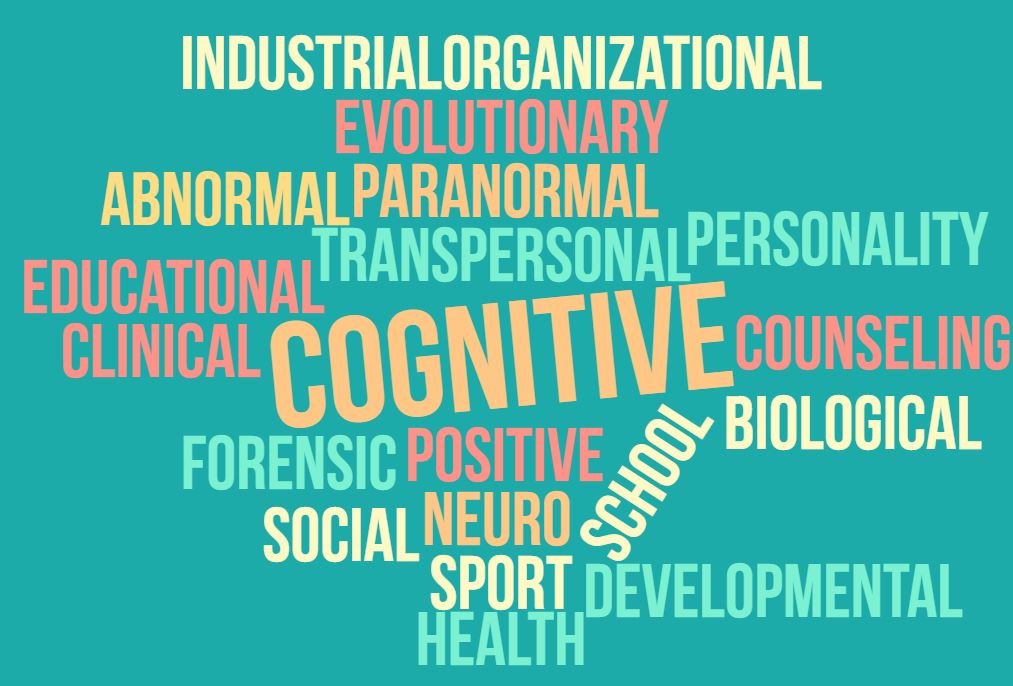
Psychology studies the human mind and how it functions to affect someone either physically, mentally, or emotionally. There are many different subcategories of psychology that can be studied such as:
- Clinical Psychology
- Forensic Psychology
- Cognitive Psychology
- Social Psychology
- Health Psychology
- Sports Psychology
- Behaviorism Psychology
- Abnormal Psychology
- ETC.
“Psychology is the scientific study of mind and behavior. Its subject matter includes the behavior of humans and nonhumans, both conscious and unconscious phenomena, and mental processes such as thoughts, feelings, and motives. Psychology is an academic discipline of immense scope, crossing the boundaries between the natural and social sciences. Biological psychologists seek an understanding of the emergent properties of brains, linking the discipline to neuroscience. As social scientists, psychologists aim to understand the behavior of individuals and groups.” (Wikipedia).
People who study psychology are called psychologists.
Psychologists study a bunch of different things, they do research on “perception, cognition, attention, emotion, intelligence, subjective experiences, motivation, brain functioning, and personality. Psychologists’ interests extend to interpersonal relationships, psychological resilience, family resilience, and other areas within social psychology. They also consider the unconscious mind. Research psychologists employ empirical methods to infer causal and correlational relationships between psychosocial variables. Some, but not all, clinical and counseling psychologists rely on symbolic interpretation.” (Wikipedia)
They use the information in different areas such as “Many psychologists are involved in some kind of therapeutic role, practicing psychotherapy in clinical, counseling, or school settings. Other psychologists conduct scientific research on a wide range of topics related to mental processes and behavior.” (Wikipedia).
The information can be researched in many different ways such as case studies, experiments, interviews, surveys, and correlational research.
One major way researchers collect data and information is through case studies. “A case study is an in-depth study of one person, group, or event. In a case study, nearly every aspect of the subject’s life and history is analyzed to seek patterns and causes of behavior.” (VeryWell Mind). Case studies help people and research because it is a lot of information about one person or a group of people that then can be generalized to a bunch of different people later.
Sigmund Freud
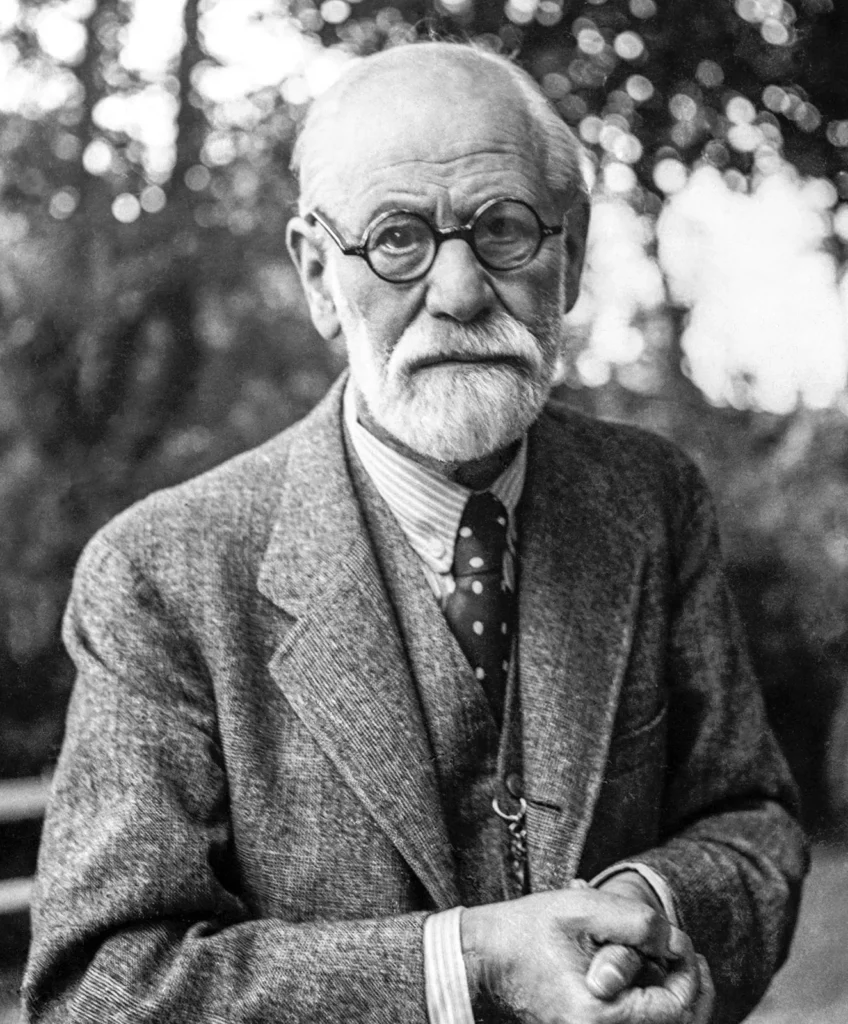
One very influential person in psychology who used case studies a lot in his research was Sigmund Freud. He was an Austrian neurologist who was most known for founding psychoanalysis and developing theories about the unconscious mind, motivation, and mental illness. One research method he used across many of his findings was case studies. Freud specifically did case studies on individual people, and his research helped shape his ideas and theories in many of the findings he was known for.
Little Hans Case Study
One example of his famous case studies is “Little Hans”. Little Hans was a case study about a 5-year-old boy who was afraid of horses. In the study, the boy when he was 4 years old witnessed a crash with a horse that was carrying a cart. So, the result that was he was terrified of horses because it was believed he saw the large genitalia of the animals in a traumatic way. As he got older Little Hans also developed jealousy toward his younger sibling as his younger sister got the attention of his mother which took the attention away from him. The fear of horses and the jealousy of his little sister were related to psychosexual development and the five stages of psychosexuality. The findings were “The birth of a sister and behavior described by Max Graf occurred whilst Little Hans was experiencing the phallic stage. According to Freud’s theory, his preoccupation with male genitals at this age could be understood in terms of the focus that they attracted during this stage. During the phallic stage, Freud also believed that he demonstrated signs of an Oedipus Complex, whereby the love and attention provided by the mother leads to a child’s resentment of their father, who threatens to steal the affection away from them. They may fear that the father will eliminate the threat that they pose by castrating them, leading to castration anxiety.” (Little Hans) This is an example of one case study that went in-depth and followed a person as they grew to know more, which then the information Freud found was used to generalize to other people.
Qualitative & Quantitative
Two methods in which information is collected in psychology are through qualitative and quantitative research.
Qualitative
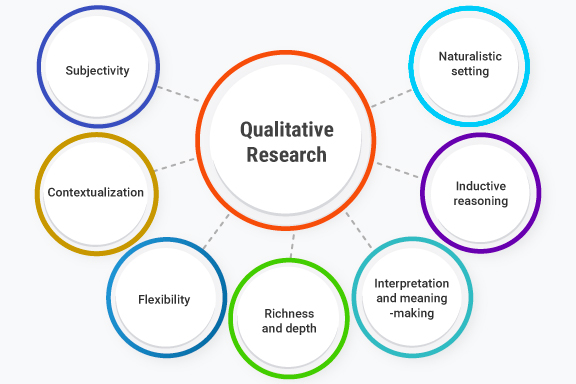
Qualitative research has to do with descriptions and interpretations. “Qualitative research differs from quantitative research in its objectives, techniques, and design. Qualitative research aims to gain insights into phenomena, groups, or experiences that cannot be objectively measured or quantified using mathematics. Instead of seeking to uncover precise answers or statistics in a controlled environment like quantitative research, qualitative research is more exploratory, drawing upon data sources such as photographs, journal entries, video footage, and interviews.” (Qualitative vs Quantitative)
Quantitative research is based more on numerical data. “Quantitative research tackles questions from different angles compared to qualitative research. Instead of probing for subjective meaning by asking exploratory “how?” and “why?” questions, quantitative research provides precise causal explanations that can be measured and communicated mathematically. While qualitative researchers might visit subjects in their homes or otherwise in the field, quantitative research is usually conducted in a controlled environment.” (Qualitative vs Quantitative)

Psychology’s Influence on Culture:
In many instances, a person’s culture can shape many different aspects of a person’s life, thoughts, feelings, and views about different topics and ideas. Culture and psychology are closely related because they can help shape a person’s mind and the way they think, see, and feel about everything. “Culture influences psychological processes. Individual thoughts and actions influence cultural norms and practices as they evolve over time, and these cultural norms and practices influence the thoughts and actions of individuals.” (NIH)
Lehman DR, Chiu CY, Schaller M. Psychology and culture. Annu Rev Psychol. 2004;55:689-714.
MSEd, K. C. (2024, January 18). What is a case study? Verywell Mind.