Summary overview of Digital tools:
One of the main digital tools used in this project to obtain data is an app called Argus which was developed by Azumio. Argus is a fitness tracker app which is available in both IOS and android, however the data set for this project is limited to IOS users of this app. They collected 68 million days of minute-by-minute step recordings from 717,527 anonymized users. Smartphones have built in accelerometers which automatically record our physical movement. The company anonymized the data and shared it for research purposes. In addition to physical movement, the app also records demographics such as weight, height, and gender which allows researchers to link different demographics to activity patterns and draw conclusions about obesity and the differences in activity gaps. Additionally, they focused on countries with at least 1000+ users of this app to analyze activity inequality on a global scale. Through this information from the app, they were able to analyze the data from over 46 countries and make conclusions like how women are less active than men in most areas and especially in areas where the walkability score of the cities was low. In conclusion, the project used the tool to obtain data such as step counts, demographics, and location based on IP address.
Other uses of tool outside of this project
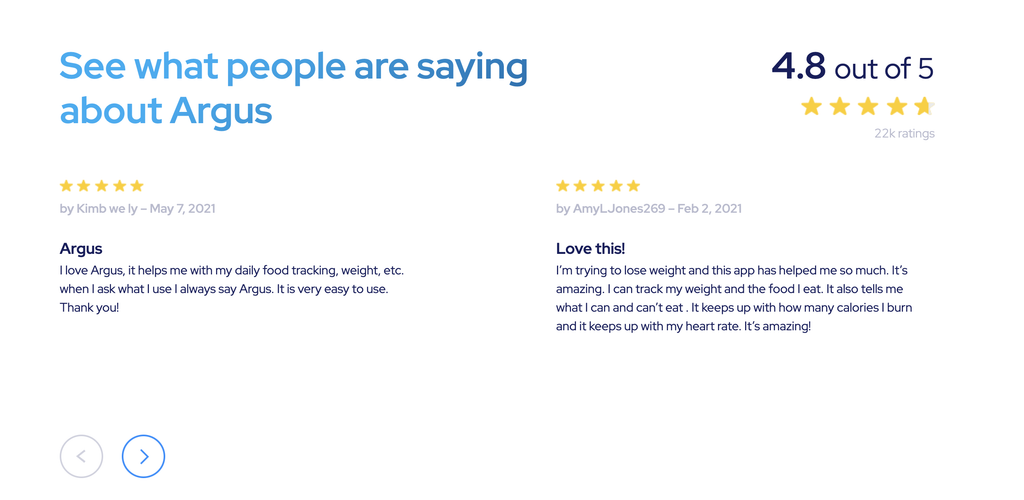
Outside of this project, this tool can definitely be used for other purposes such as personal health tracking. Keeping track of our steps gives us an incentive to stay more active which is beneficial for our overall being. Additionally, the tool can also be used for weight loss plans, and to monitor our health in general. This tool can be an easy way to obtain data to work on any projects that relate to improving nutrition, our weight, and just to analyze movement patterns on a large scale. For instance, a 2019 TUM seminar presentation also used Argus app data to analyze how joining the app’s social network affected online engagement and real-world activity.
Link to DH:
Digital humanities is all about promoting accessibility and embracing the scientific method. By anonymizing the data one can easily track and use the data obtained from this app without privacy concerns. Additionally, the data can be used to analyze and conduct research which can benefit the society as a whole. The Argus app turns everyday life into statistical data which can be used for experimentation and come up with useful findings for everyone. The app promotes experimentation and openness which helps achieve DH goals and values.
Assess documentation through this section:
The documentation includes many graphs based on countries, walkability scores, average steps per day, while relating it to demographics like gender, weight, and location. All of this data is obtained through the app which researchers were able to analyze and draw connections.