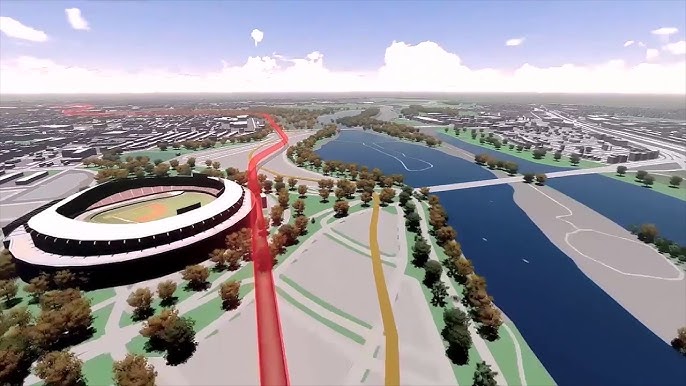
Projects Similar to the Eastern on the Anacostia
To better understand the potential of Eastern on the Anacostia at the former RFK Stadium site, it is useful to compare it to other large-scale waterfront and reclaimed land redevelopment projects that share similar goals but differ in audience, equity outcomes, and housing strategy. Two relevant case studies are the redevelopment of The Wharf in Southwest DC and the Rose Fitzgerald Kennedy Greenway in Boston. Both projects transformed underutilized land into active public destinations, yet each demonstrates different approaches to affordability, public access, and community impact.
The Wharf (Washington, DC)
The Wharf is a mixed-use waterfront development along the Washington Channel that includes luxury and market-rate housing, hotels, retail stores, restaurants, performance venues, and public promenades. Similar to Eastern on the Anacostia, The Wharf integrates recreation, dining, retail, and waterfront access within a dense, walkable district. It also shows how large public–private partnerships can successfully activate previously underused waterfront land and attract citywide and regional visitors. However, The Wharf differs significantly from Eastern on the Anacostia in terms of affordability and equity outcomes. Much of its housing and commercial space is oriented toward higher-income residents and tourists, and it has raised concerns related to rising rents, displacement, and limited deeply affordable housing options. This comparison highlights the economic potential of waterfront redevelopment, while also illustrating the importance of placing affordability and community benefit at the forefront of Eastern on the Anacostia to avoid similar patterns of exclusion.

The Rose Fitzgerald Kennedy Greenway (Boston, MA)
The Rose Fitzgerald Kennedy Greenway in Boston offers a different but equally instructive comparison. This linear park system was created after the removal of an elevated expressway as part of the city’s “Big Dig” infrastructure project. Like the RFK site, the Greenway represents the reclamation of land once dominated by transportation and large-scale infrastructure. The Greenway now provides miles of connected public parks, gardens, art installations, and pedestrian corridors that reconnect neighborhoods previously divided by roadways. While the Greenway does not contain a major housing component, it demonstrates the powerful impact that publicly accessible green space can have on urban connectivity, environmental quality, and civic life. Its success supports the inclusion of large public garden areas, tree canopy, and pedestrian-focused design in Eastern on the Anacostia.
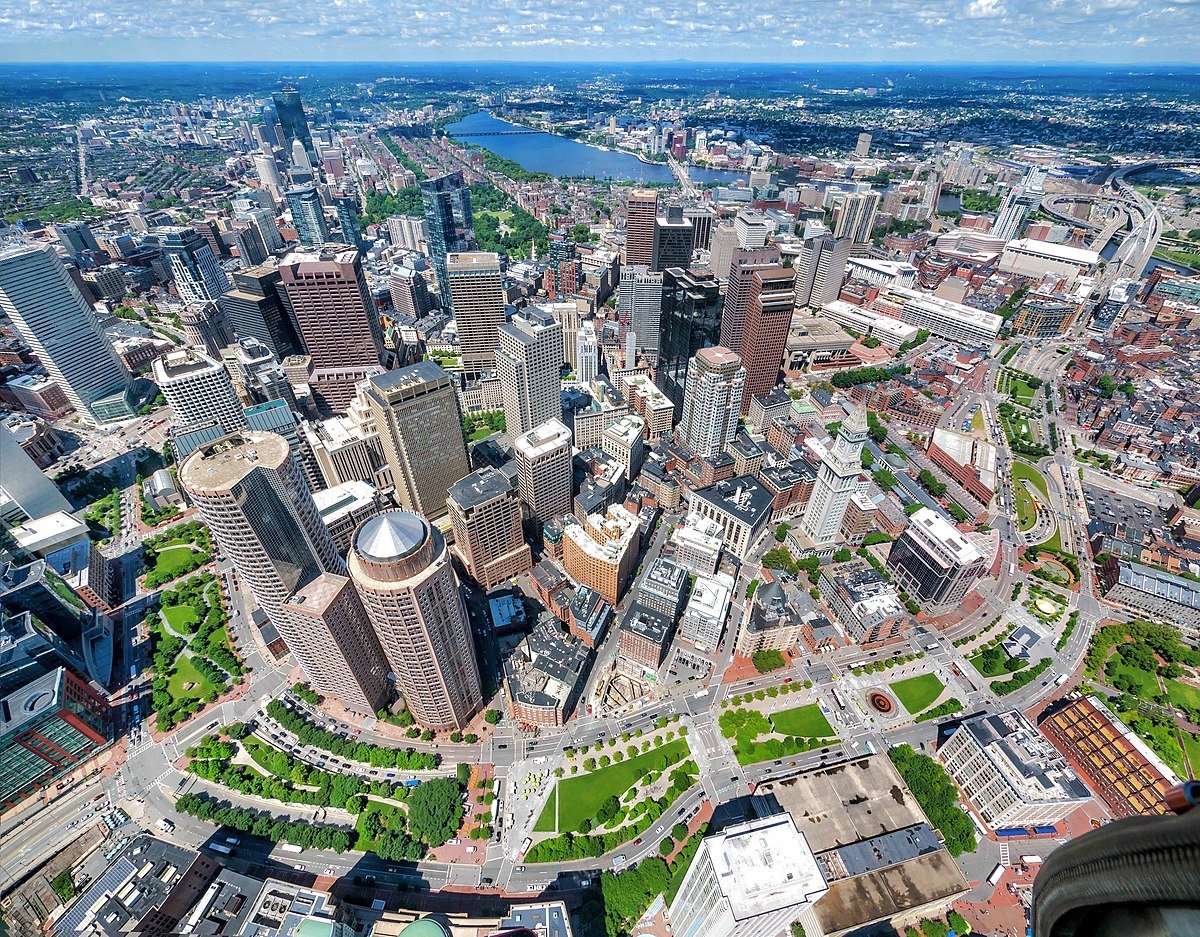
Together, these two projects illustrate both the opportunities and challenges of large-scale waterfront and infrastructure redevelopment. The Wharf shows the economic vitality that mixed-use districts can generate, but also warns of the risks of prioritizing luxury development over long-term neighborhood affordability. The Rose Kennedy Greenway demonstrates how reclaimed infrastructure land can become a shared ecological and social asset, even without housing. Eastern on the Anacostia intentionally draws from the strengths of both models while correcting their limitations by integrating affordable and mixed-income housing, local business opportunities, and publicly accessible green space into a single, equity-driven redevelopment framework. In doing so, the project aims to deliver economic growth, environmental restoration, and housing stability simultaneously for Southeast DC residents.