Research Values
The core research values that guide the project, including equity, community participation, interdisciplinary research, and transparency. These principles ensure that the redevelopment of the former RFK Stadium site remains community-centered, accountable, and focused on long-term social and environmental justice for Southeast DC residents.
Values
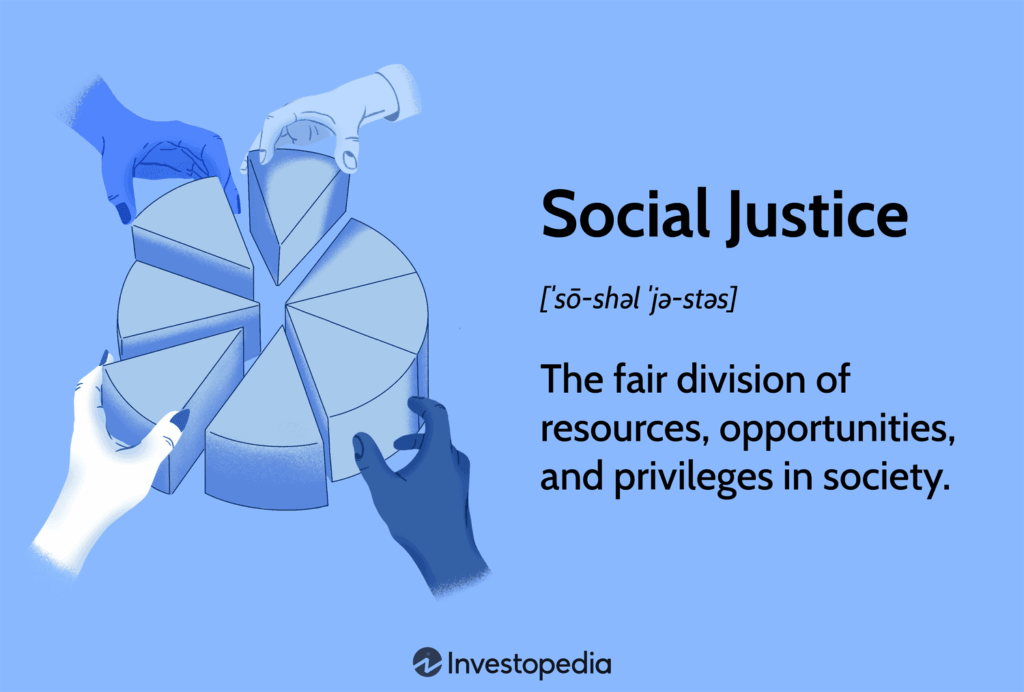
Equity & Inclusion
This redevelopment emphasizes equitable access to green space, affordable housing, and economic opportunity in a historically underinvested area of Southeast DC. By prioritizing community-serving retail, mixed-income housing, and publicly accessible waterfront space, the project seeks to ensure that long-time residents directly benefit from new investment rather than being displaced by it. Equity is further reinforced through intentional design choices that make the site accessible to people of all ages, abilities, and income levels.
Public Engagement & Participatory Planning
The current RFK redevelopment process includes public comment periods, community meetings, and stakeholder input, aligning with values of collaborative, community-grounded design. Residents are invited to share their concerns, ideas, and priorities throughout multiple phases of planning rather than only at the final approval stage. This ongoing participation helps ensure that the project reflects lived experiences, builds public trust, and distributes decision-making power more evenly between agencies, developers, and community members.
Interdisciplinary Data & Storytelling
The project integrates spatial planning, environmental science, public health research, economic data, and community narratives to create a holistic understanding of the site and its impacts. Quantitative data such as housing demand, flood risk, and economic projections are paired with qualitative sources like resident testimony, neighborhood history, and cultural memory. This Digital Humanities–style approach allows the project to tell a richer story that connects numbers to real people and places.
Transparency & Accountability
Planning documents, environmental impact assessments, and community feedback are made publicly available to encourage transparency throughout the redevelopment process. Environmental-justice advocates and neighborhood organizations play a role in monitoring ecological impacts, housing commitments, and public-access goals over time. This open flow of information supports long-term community stewardship and helps hold public agencies and private partners accountable to the project’s equity and sustainability promises.