Data
Inputs
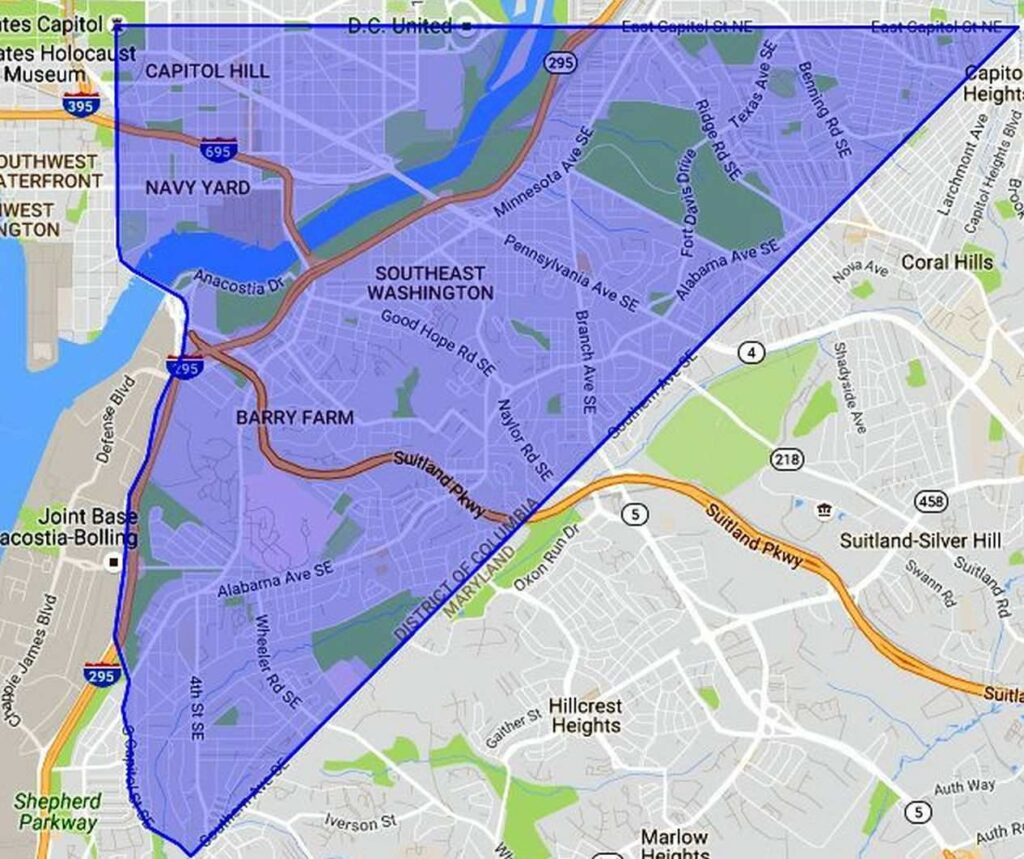
The proposal is grounded in several categories of input data. Demographic and housing data for Southeast DC help illustrate current levels of rent burden, income, and population change, highlighting the need for affordable and mixed-income housing.
Land-use and zoning data for the RFK campus define how much space is available, what portions are close to transit, and where building heights anddensities might be appropriate.
Environmental data, including flood risk, stormwater patterns, and urban heat distribution, inform how green infrastructure, gardens, and tree canopy should be placed to reduce risk and improve comfort.
Community engagement data, such as survey results and public meeting notes, provide insight into local priorities, concerns, and visions for the site.
Outputs
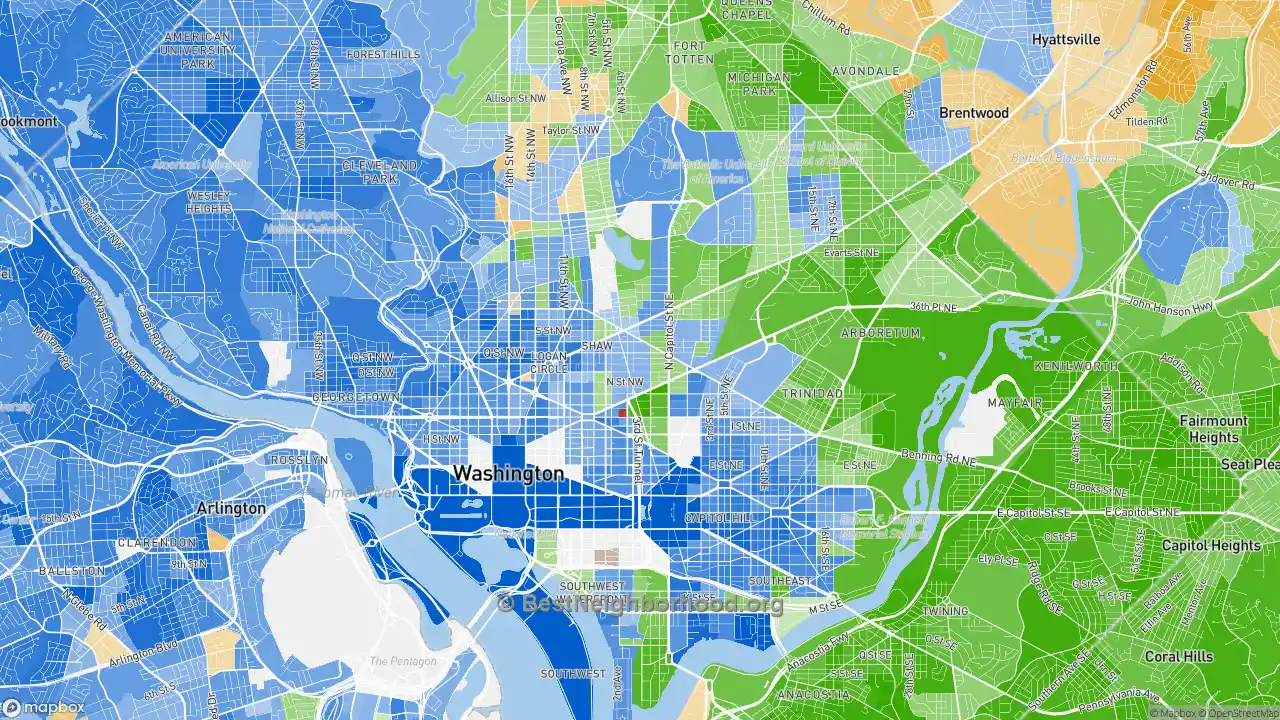
The project will generate key outputs that can be shared with the public and decision-makers. These include conceptual site plans and 3D visualizations showing housing, parks, retail, and circulation; projections of affordable housing units and total residential capacity; estimates of job creation and local business activity; and models of environmental benefit, such as reductions in stormwater runoff, increases in tree canopy, and improvements in public access to the river. Together, these outputs create a clear picture of what the Waterfront Community Commons can deliver if fully implemented.
