Overview of Proposal
About the Idea
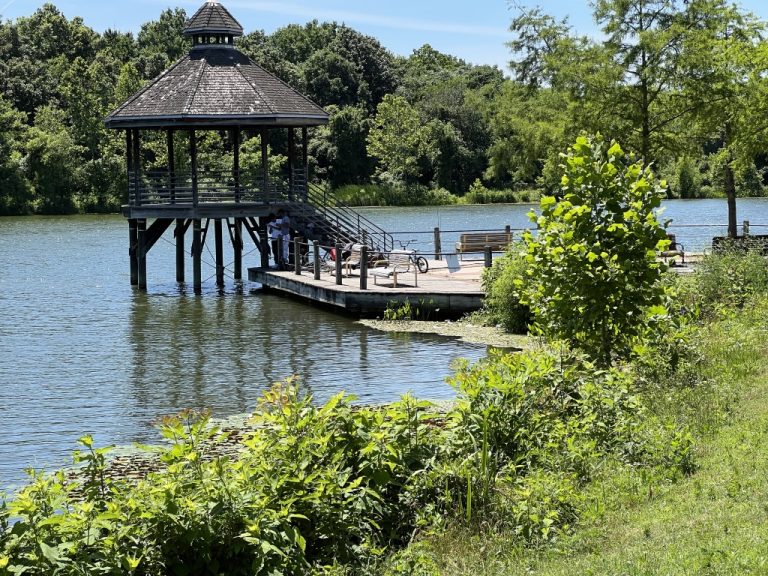
The Waterfront Community Commons is envisioned as a mixed-use, community-centered district that combines affordable and mixed-income housing, locally oriented retail, restaurants, public gardens, and riverfront recreation. Instead of a single-purpose stadium surrounded by parking, the site would become a walkable neighborhood hub that opens the Anacostia waterfront to everyday use. Housing, shops, food, and green space would be organized around safe, accessible streets and paths that connect nearby communities directly to the river.
Who, Where, When, What
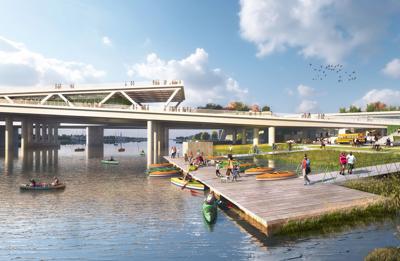
The project would be located on the former RFK Stadium campus, a large waterfront parcel within reach of transit, existing neighborhoods, and existing regional trail networks. Redevelopment would likely occur in phases over multiple years. Early phases could focus on essential infrastructure, riverfront access, and initial park areas, while later phases would bring in affordable housing, additional mixed-income residential buildings, neighborhood retail, and expanded public gardens. For residents of Southeast DC, this phased approach means they would begin to see immediate improvements in access to safe green space, walking and biking paths, and the Anacostia waterfront, followed by long-term benefits such as increased housing stability, new job opportunities, and easier access to everyday goods and services. Affordable housing would help reduce displacement and housing cost burdens for long-time residents, while local retail and restaurants would create employment and entrepreneurial opportunities within the community itself. Public gardens, parks, and waterfront trails would promote physical activity, mental well-being, and social interaction across all age groups, especially for families, seniors, and youth who currently have limited access to high-quality outdoor spaces. The primary users of this new district would be Southeast DC residents, small business owners, families, seniors, and youth, but the site would also welcome visitors from across the District as a public destination—bringing increased visibility, economic activity, and investment into the surrounding neighborhoods without sacrificing community access or identity.
Significance
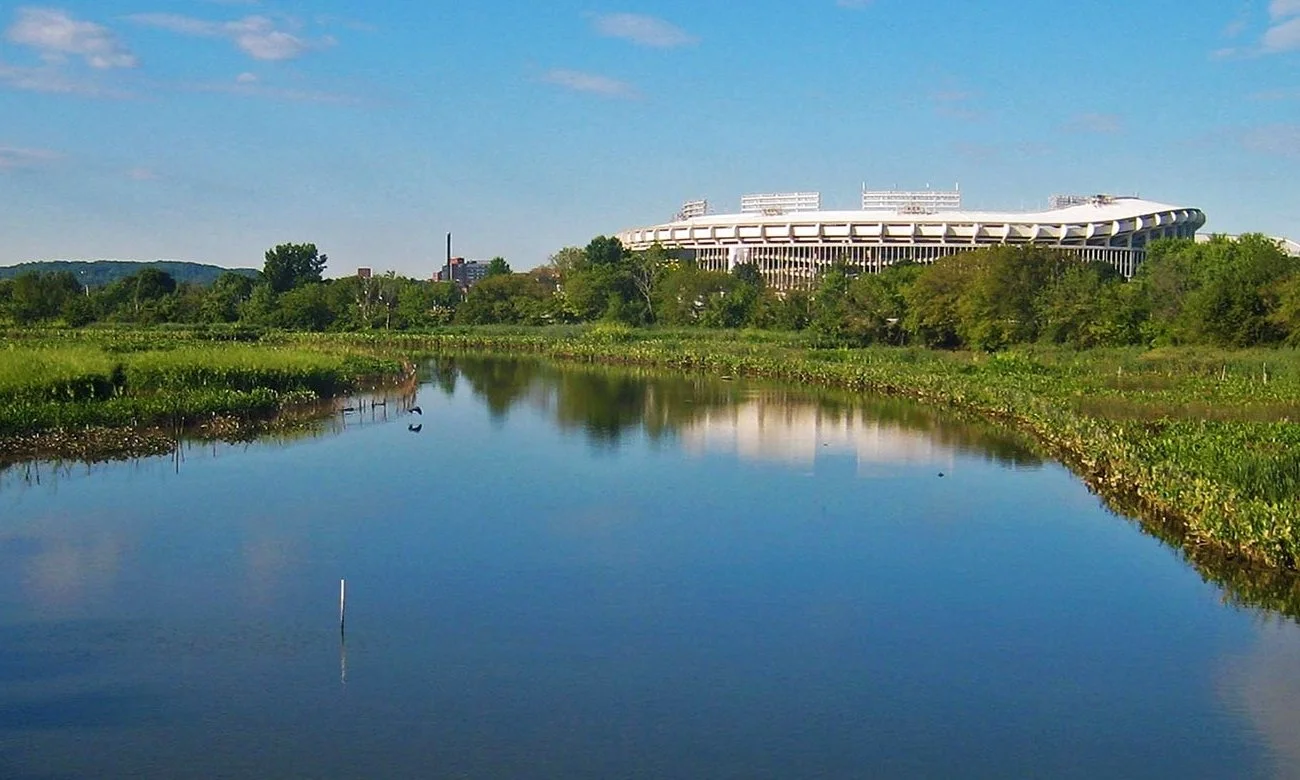
This proposal has cultural and social justice significance because it aims to provide long-term benefits to communities that have historically carried environmental burdens while receiving fewer investments in public amenities. By combining affordable housing with public green space, local business opportunities, and direct access to the river, the project seeks to ensure that new value created on the site is shared by the people who live closest to it.
