Methods used in this projects
The ACLED project goes through a process for data collection that involves, processing, and analysis.
- First they gather information from verified sources. Local reporters, media, social media and other data bases. These sources go through checks to insure they are reliable.
- Second the projects team members cross reference sources to confirm details like locations dates and context. They then clean everything out, edit discrepancies and remove errors.
- The third step would be categorizing them on the website by conflict type and grouping them by location. They them code this and teg each event with descriptors so they can be easily found in analysis.
- Finally its time to take this data analye and interpret. Using tools the team identifies treads and examines the frequency of these conflicts. GIS tools are used to cretae visualizations for picture representations of the data.
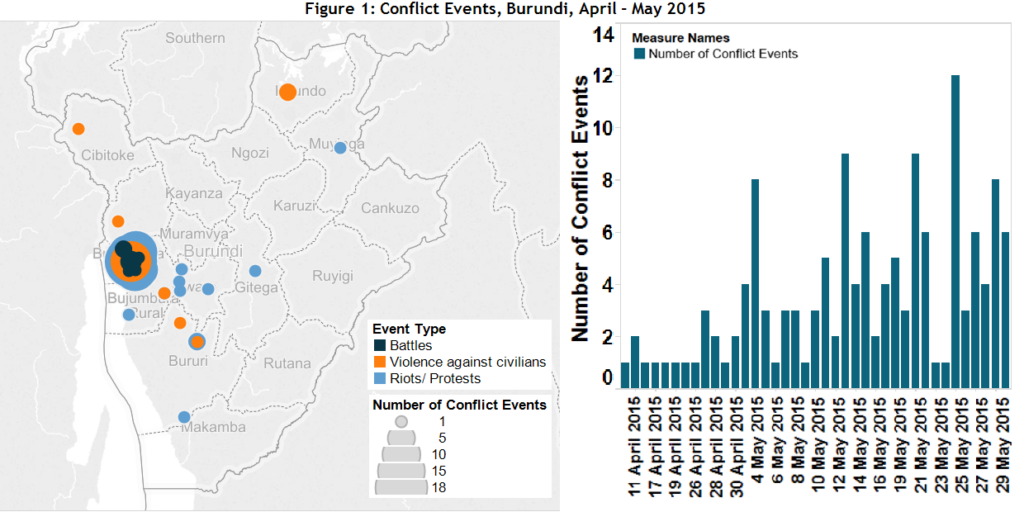
Critical Steps and Analysis
A crucial step is this project is Data Verification and Cross-Referencing. Each team member may specialize in specific source types, such as news media, government reports, or data. Findings are cross-checked to ensure consistency, enhancing the data’s reliability by integrating multiple perspectives.
Documentation Assessment
ACLED’s documentation, which outlines procedures for data collection, coding, and cross-referencing, is essential to the project’s effectiveness. It enforces protocols that allow sources to be reliable and accuracy. This documentation is especially valuable for teams, offering structure that reinforce the quality of the data allowing for consistency across various roles in the verification process.