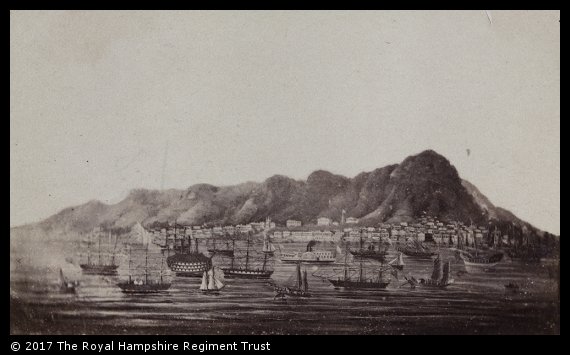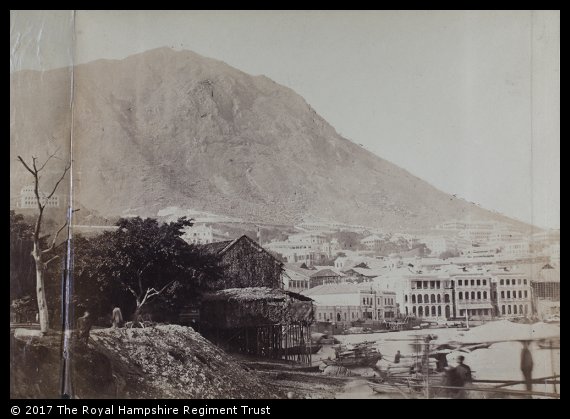
- Where do the photographs come from?
- Most of the collections hosted on the project are from and continue to be, from private sources. These individuals and groups will reach out to the project and contribute whatever media they have, typically something from their own family history or connection in China. The project collections have been contributed from sources across the globe.
- How do they process/digitalize everything?
- Using a Canon EOS 5D SLR digital camera, the camera is mounted on a Kaiser RS10 copy stand and set to an exposure of f11 and approximately one-fifth of a second at 100ASA. A 100mm macro lens is used to re-photograph originals that are as small as a postage stamp, while larger lenses are used for larger media. All photographs, regardless of size, are rephotographed in color (Adobe RGB) to capture warmer tones.
- Shiny originals are carefully photographed to ensure they don’t have a reflection, with the utilization of black masking tape, black paper, no overhead lighting, etc. They are typically photographed on a large sheet of black card.
- Whole pages of albums are copied using foam supports to ensure each page is level and to avoid damage.
- Image Publication
- Files are transferred from the camera to Adobe Bridge, and then a Warcom Graphics pad and pen is used to avoid/mitigate any warping or damage due to excessive Photoshop. After this, all media is transferred to the University of Bristol’s Preservica Digital Asset Management System (DAMS).
- Each image is given a reference number, any related images are noted, and any attached captioning or writing is transcribed. Additional metadata is added to support searching, and then the photos are published on the website.
This process is documented fully on the project’s about page.
━━━━━━━━━━━━━━━━━━━━━━━━━━━━━━━━━━━━━━━━━━━━━━━━