Overview
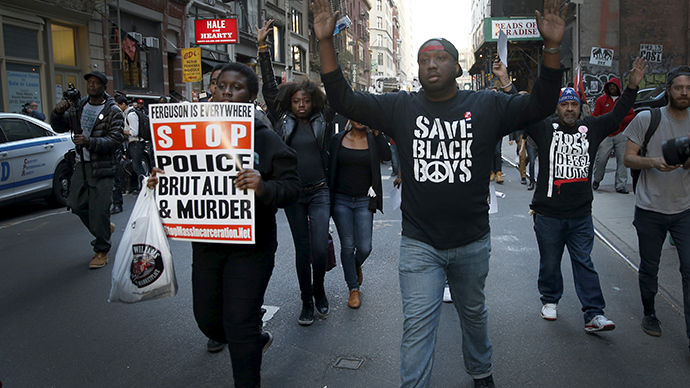
Mapping Police Violence is a research collaborative project that tracks unreported police killings throughout the United States. The website was designed for the sole purpose of linking killings to where and when they took place. The data shown on the site is the most thorough documentation of people killed by police since 2013. It includes 1,131 known police killings, including 1,067 arrest-related deaths (according to Bureau of Justice Statistics definitions) as well as 64 unintentional, off-duty and/or in-custody deaths – that occurred in 2014. They also include information on 1,080 police killings in 2013, 1,131 in 2015, 1,129
police killings in 2016 and 1,147 killings in 2017. Significantly, the data on the site do not include killings by vigilantes or security guards.
Why is it significant?
Law enforcement agencies spanning the country often fail to provide even the most fundamental information about the lives of the victims in which they take. Although the newly signed Death in Custody Reporting Act requires this data be reported, it is unsure where or not police departments will actually adhere with this. The maps and diagrams on the site hopes to provide the answers we all need. The data will be utilized to unveil and provide accountability for police departments as part of the ongoing campaign to end police violence across the country. The creators of the site began with deaths tracked by the Burear of Justice Statistics, but discovered that they undercounted the victims, excluded location, and often did not include race.
About the Creators
Samuel Sinyangwe, a data scientist and former policy analyst works with communities of color to overcome racism and prejudice across the country. Samuel previously worked with PolicyLink, where we helped connect 61 Promise Neighborhood communities to research-based strategies to build cradle-to-career systems of support for low-income families. In addition, he has assisted city leaders, youth activists and community organizations to help develop education, health, and justice for colored communities. Samuel has been involved with the community since high school and does not plan on stopping anytime soon.

DeRay Mckesson is the former Senior Director of Human Capital with Minneapolis Public Schools. DeRay has been documenting the events of Ferguson via twitter (@deray) and is the Founder and Co-Editor of the Ferguson Protestor Newsletter. He is an activist, organizer, and educator focusing primarily on issues impacting children, youth, and families. He previously worked for the Harlem Children’s Zone and TNTP, opened an academic enrichment center in West Baltimore, and with Baltimore City Public Schools leading systemic human capital change.
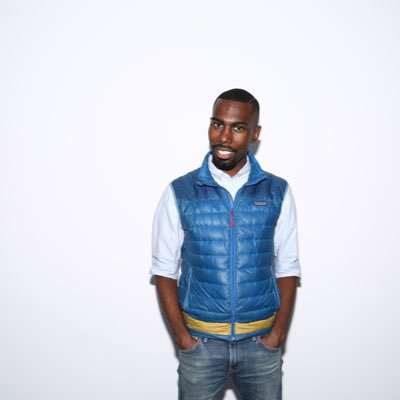
Brittany Packnett is a former teacher, policy expert and non-profit executive director who has committed her life and career to justice. Brittany serves as Teach For America’s Vice President of National Community Alliances, where she leads partnerships and civil rights work with communities of color. Brittany is an active protestor and activist for issues of racial and social inequality. Brittany Packnett has been named one of TIME Magazine’s 12 New Faces of Black Leadership.