
” I come- came to care for you; not to want you to make love to me, and not forgetting the difference between us, but more friendly like…” 4.
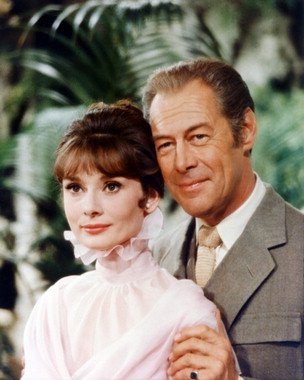
“Shaw—and then Lerner—wrote about two people fighting each other but also themselves, or rather their own perceptions of themselves, their own senses of agency and limitation” 6. Both Higgins and Eliza come into their strange relationship with a sense of longing. Eliza longs to a “proper woman” and Higgins longs for the company and excitement of other people. Neither of these characters are the model for the ‘perfect’ human being and yet they land in a situation in which they must inform and perform for one another. “Gender is always a doing” and in this sense the play’s main characters must always be performing for one another 2. In this, the audience can come to understand why their relationship is the way that it is by scene fie of act two. During the whole show they have been building up to this moment and when the performance scripts of normal decorum and action run out we are left with two people who know nothing about the other’s true feelings. These two people break from what the audience is expecting to get, a Cinderella ending where the princess get her prince, and rather present an odd and unlikely friendship instead. “My Fair Lady is not simply a Cinderella story, for her would-be Prince is far too well developed a character for it to be that. Rather, the show is about a relationship , seen— as the musical’s title suggests with some irony— from Higgins’s perspective, with Eliza as a possessed and transformed object”1. Their relationship gives the audience the ultimate break from gender performativity as neither of the pair is traditionally romantically inclined to the other.

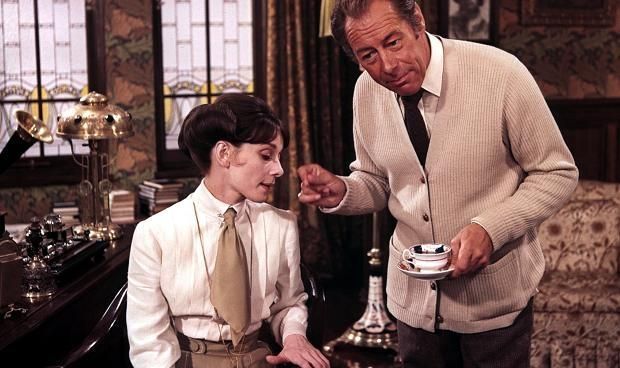
It is in Mrs. Higgins’ home that one can truly understand the motivations and feelings of Higgins towards Eliza when he states “you never wondered, I suppose, whether I could get along without you” 4. Higgins states that he needs Eliza which plays perfectly into the Heterosexual normality of his nature and Eliza , finally breaking from her performative skin, rebukes him. “Heterosexuality is a norm in society and people are judged on the basis on their sexual identity” 8. This non hetero-normative relationship is the first breath of fresh air that the audience is given. Both individuals, traditionally scripted and played take a leap of faith in this scene and give the audience the ultimate cliff hanger. Leaving go of their performative masks, Eliza leaves Henry alone at his mother’s home and Henry must cope with this sudden and terrible blow to his masculinity and power. In one sense, Eliza finally in one brave moment lets go of her performative nature and as she does this, so too does Higgins. He is then left with only the thing he created, as Eliza puts it ” you have my voice on your gramophone. When you feel lonely without me you can turn it on. It’s got no feelings to hurt” 4. After this, Higgins snaps back into his domineering and violently masculine persona and the audience is plunged into the reality that they will not receive their normal “happy ending”.