The team from, Petitioning for Freedom of researchers scavenged though habeas in multiple jurisdictions to find their data. To transform the majority of physical petitions, the data was manually scanned into CSV files, which are useful for organizing metadata, such as dates, jurisdictions, petition types, and information about individuals.
One of the primary technologies used is Airtable, a platform that combines the features of a spreadsheet and a relational database. Airtable allows users to organize information into tables, connect related The platform allows information to be linked across multiple tables, making it useful for projects that involve large amounts of interconnected information.
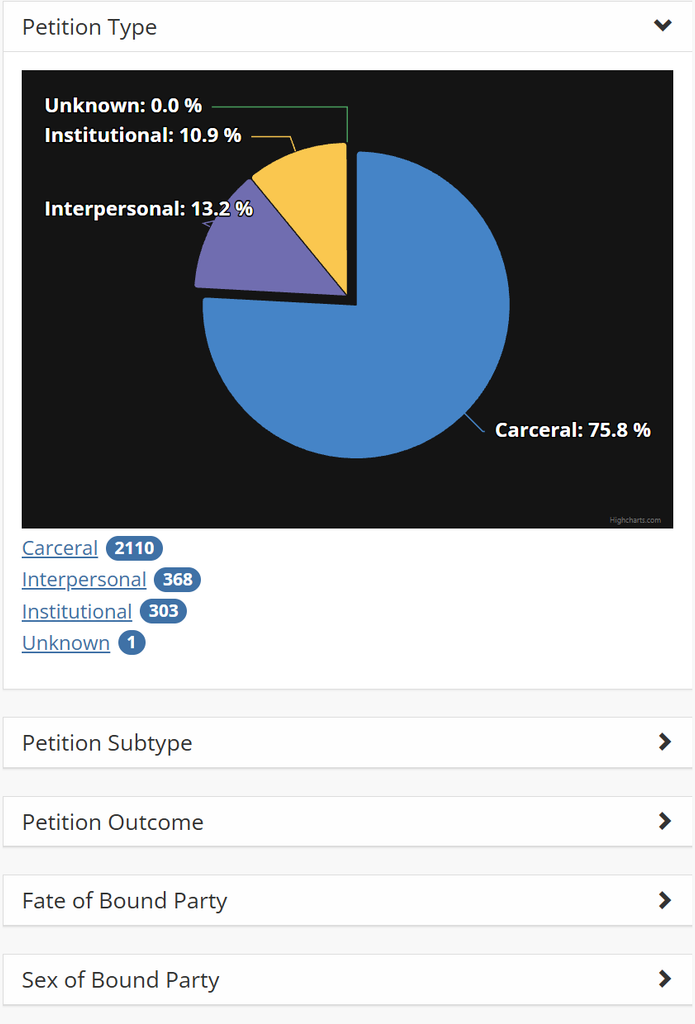
In Petitoning for Freedom the platform researchers to structure information about individual cases and the people associated with them. This organization makes it possible to categorize historical records according to different details, such as locations, dates, petition types, and individuals.
Airtable can be used in a variety of fields, including education, marketing, business managements and more. Its flexibility allows users to create databases for different purposes without needing extensive programming knowledge.
To Digital Humanities, Airtable demonstrates how technology can be used to organize, preserve, and analyze research. Which is a key to Digital Humanities ideals to make research transparent and accessible.