Overall, Petitioning for Freedom demonstrates several important Digital Humanities best practices through its use of digital technology, historical research, documentation, and public accessibility. The project successfully transforms historical legal records into a searchable relational database that supports both public exploration and academic research.
A key component of Digital humanities is open accessibility, which is demonstrated in the project though a commitment to openness by making its database publicly accessible and providing downloadable data. Its decision to launch the website while the dataset is still being populated reflects an effort to make historical information available as early as possible. Additionally, the project communicates its current geographical limitations and directs users to the Locations page for updated information. This transparency helps users understand the scope of the available records and interpret the data responsibly.
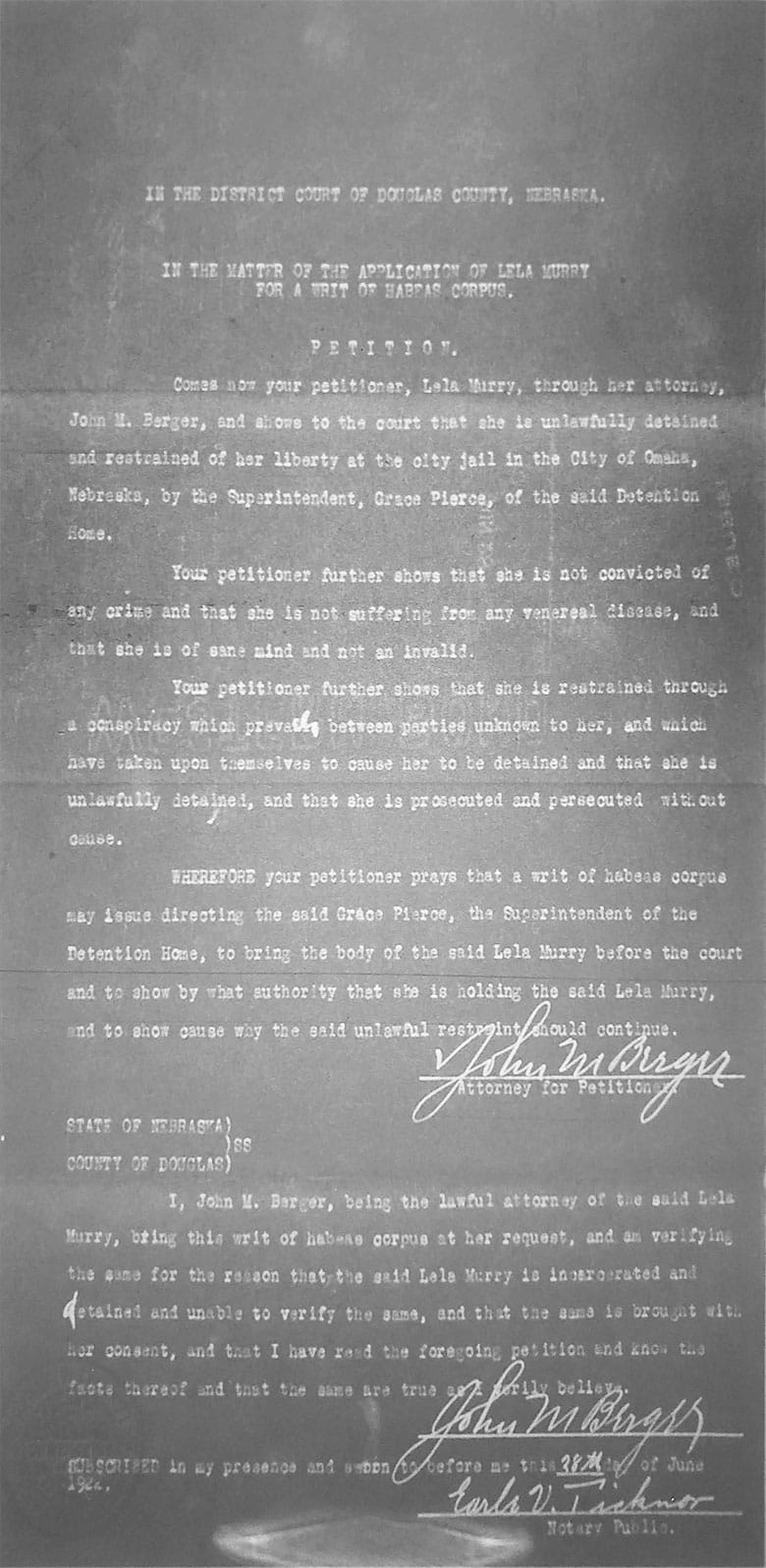
However the project could further strengthen its documentation by clearly explaining its data-processing methods, category definitions, and the process through which historical records are selected and encoded. Also, although transparent about its methodology, the manual system of finding petitions and individual scanning each and every data, allows for human error in inconsistency of coverage.
Ultimately, Petitioning for Freedom is a strong example of how Digital Humanities can combine historical scholarship with digital tools to preserve, organize, and share cultural and legal history.