DH values
Our classroom DH values are:
Collaboration-interdisciplinary and transdiciplinary with being open to wokring with others
Experimentation-Embraces the scientific method (hypothesize, test, refine). To be perfect is to never get better at anything, trial and error
Openness-Open to others: allows collaboration/involvement of others
Diversity-DH allows work without gate keeping
Aim to build more diverse gender, race, bodily abilities, language than traditional in humanities
Transparency-Data sources AND Methods must be revealed & shared
Transparency connects research/creativity to Publication/Dissemination
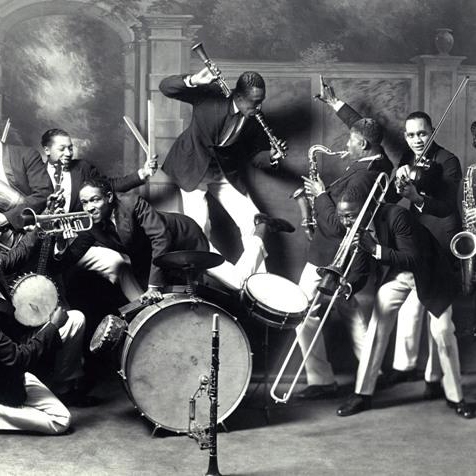
DH Values connecting to Linked Jazz
Collaboration
Linked Jazz demonstrates the value of collaboration in digital humanities by showing how different people, institutions, and technologies can work together to create new historical knowledge. Through its use of archival collections, crowdsourcing, and digital technology, the project connects jazz musicians and reveals relationships that might otherwise go unnoticed. Its crowdsourcing tool allows the public to participate in interpreting historical interviews, demonstrating that human knowledge is just as important as technological tools. Additionally, collaboration between archivists, researchers, and institutions helps make historical information more accessible and inclusive. Ultimately, Linked Jazz shows that collaboration is essential to digital humanities because it encourages shared knowledge, creates new research opportunities, and helps bring greater visibility to overlooked people and histories. Linked Jazz doesn’t simply use technology to preserve jazz history; it uses collaboration to uncover new meanings within that history.
Diversity
In addition, Linked Jazz strongly conveys the value of diversity in D.H by showing how digital technology can bring attention to people and communities that have historically been underrepresented. Through its research, the project discovered that many talented women in jazz were not receiving the recognition they deserved. This led to the development of the Women of Jazz project, which worked to increase the visibility of female musicians and their contributions to jazz history. Linked Jazz also uses digital visualizations and archival resources to examine jazz history from different perspectives, challenging traditional narratives that often focus on more widely recognized musicians. Ultimately, the project aims to represent minority groups and create an inclusive understanding of history, challenging existing biases, and ensuring that overlooked voices are not forgotten.