Marya Annette McQuirter uses three different values of digital humanities in her DC 1968 project. Lisa Spiro defines these values in her article “This Is Why We Fight”: Defining the Values of the Digital Humanities. As stated by Lisa Spiro: “digital humanities must take active strides to include all the areas of study” Through Spiro’s article, it is clear that McQuirter values diversity, openness, and collaboration.
Diversity
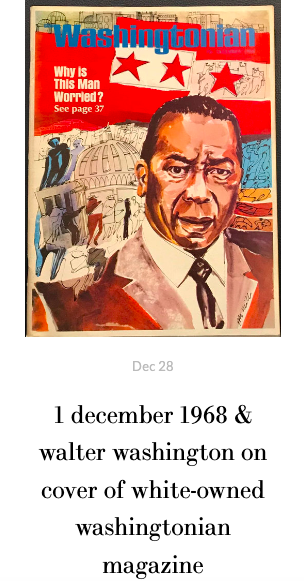
Diversity is used in DC 1968 by highlighting the smaller scale every day life stories of DC in 1968, it includes not only multiple fields of tools and goals, but also a diverse group of people involved. McQuirter engaged a diverse voices and backgrounds, she includes the people who were excluded from and overshadowed by big news stories.
Openness
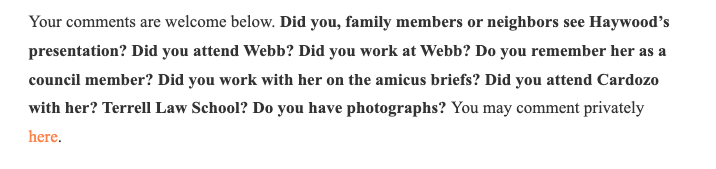
McQuirter actively made the D.C. 1968 project open to everyone. She included stories from multiple different disciples of digital humanity, and made sure it was accessible to a wide audience. It is open-access and allows for visitors to the project to contact McQuirter or contribute their ideas and stories.

Collaboration
The D.C. 1968 project was made possible by the participation of others, not just McQuirter herself. She invited and allowed anyone to participate in sharing their stories and experiences. D.C. 1968 could not be achieved alone.