Musicology is scholarly and scientific study of music. Musicology encompasses music in all time periods of history to emphasize culture, sociology, and music history.
The Three Branches :
- Systematic Musicology: is used to generalize the large umbrella of disciplines in musicology. It mainly handles the conservatory education of music to help teach others about music theory, sound studies of instruments, and acoustics. They do this using music technology to retrieve the data found within the study. This is what I will be focusing on in this project.
- Ethnomusicology: is used to connect music of specific cultures to their history of society. It uses cognitive musicology, which takes a deeper look into the connection of music and cognitive science.
- Historical Musicology: is used to track the history of music. It used to mainly focus on Western music, such as European and American music, but has expanded to all regions around the world.
Josquin Research Project
Digital Project
What is the Josquin Research Project?
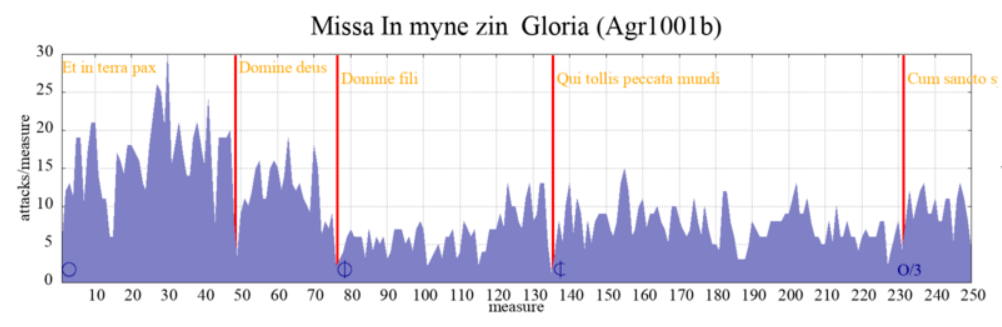
The Josquin Research project (JRP) is a growing project created in 2010 that took the works of Josquin des Prez and digitalized his works for comparative analysis. As it started to grow, JRP added more composers and their works to digitalize. The composers are all from Renaissance era of music. JRP gives uses analytic tools to show the user data.
“A Survey on Visualizations For Musical Data”
https://onlinelibrary.wiley.com/doi/10.1111/cgf.13905
Khulusi, R., Kusnick, J., Meinecke, C., Gillmann, C., Focht, J., & Jänicke, S. (2020). A Survey on Visualizations for Musical Data. Computer Graphics Forum, 39.
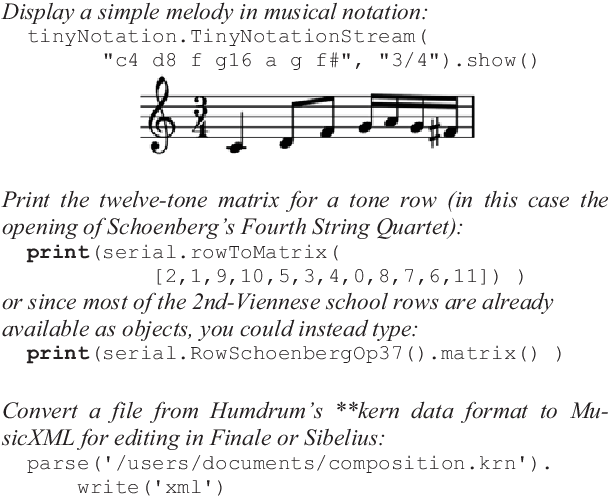
“The visualization on musical data has created a diverse amount of projects designed for a variety of purposes. They are able to be tailored to the general public to teach and illustrate music. It can be a basic visualization or a intricate visualization that someone has to be sophisticated in the music field to understand. There is much in store for the future of Musical Visualization with technology also improving. “


(after searching, I could not find any pictures of the other contributors)
Sonic Visualiser
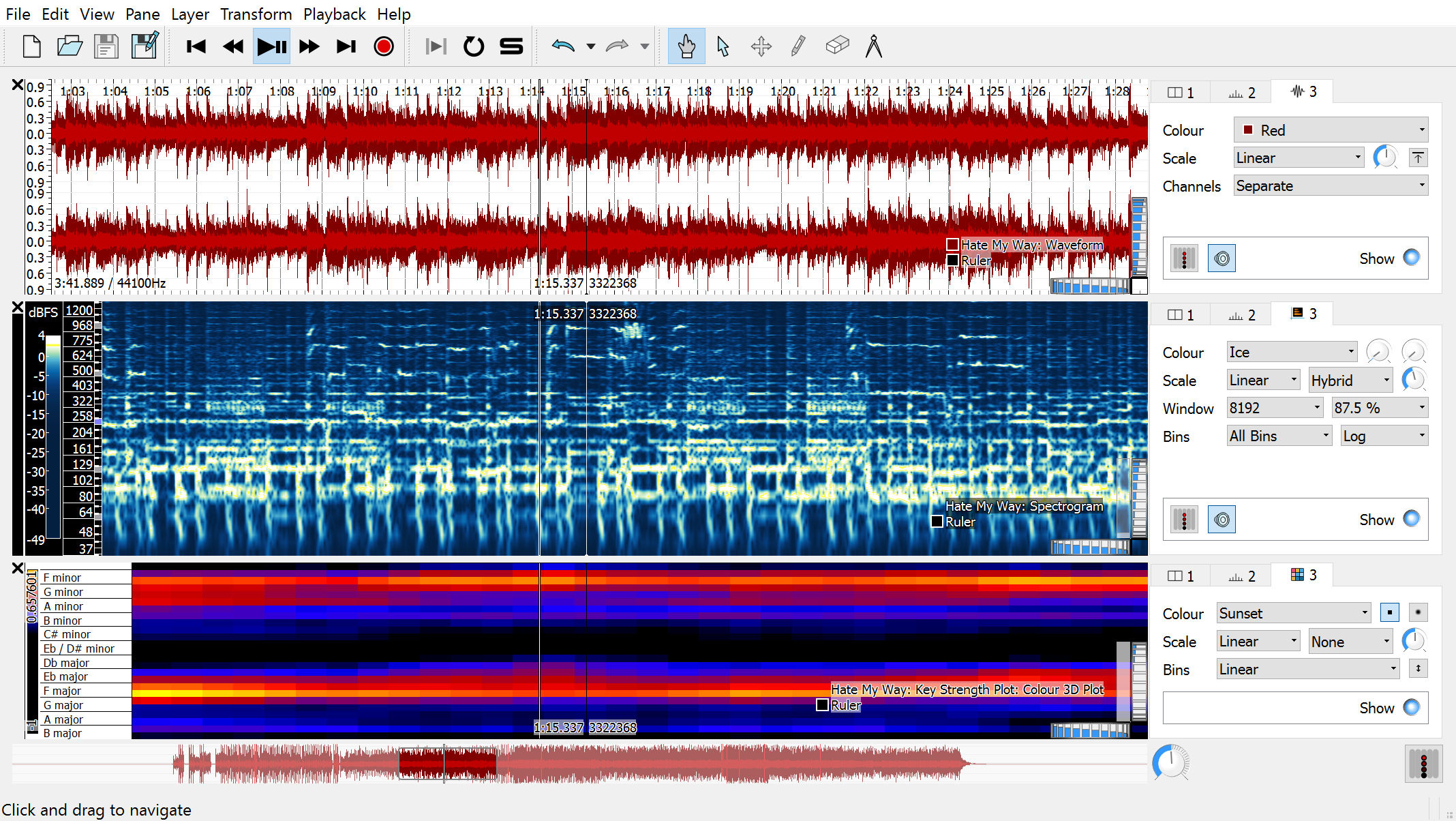
In the study of Musicology, one of the most important tools that is used is the Sonic Visualiser. It is a free open-source program that can be used on Windows, Linux, and Mac. The Sonic Visualiser takes audio files and expands it into something that can be seen by eye. it allows musicologists to see music/audio at a different yet very detailed angle. Both the article and digital project talk about and or use a simpler version of this.
Goals from Musicology
One goal of Musicology that aligns with the goals of digital humanities is to be able to share cultural data and visualize it.
JRP does exactly that, shares the data gathered by everyone who contributed to the project. It also visualizes the data for the users accessing the project.
The article I provided also shares the same goals. It focuses on visualization and how we can show information to the public. It talks about the future of how we can share music which is cultural data.
Values from Musicology
One value of Musicology that aligns with the values of digital humanities is the value of collaboration.
In the JRP, collaboration is a big part on how this project came to be. With the original creators and everyone else who sent in data to them, JRP became a big and still growing project. In the article used above, you can see that collaboration is a key value that is needed by the fact there are many contributors in this article.
Evaluation
Musicology is a great discipline that connects to digital humanities because both seek to share and preserve cultural information. They both also seek accessibility for those in the future. Music is such an important part of life, it can influence people’s moods, have emotional impact, and express so much meaning to anyone. People tend to forget the importance of music but musicology preserves it so we can remind ourselves about such a great part of life.
The Team: “The High note”