A Long History of a Short Block:
Four Centuries of Development Surprises on a Single Stretch of a New York
City Street1
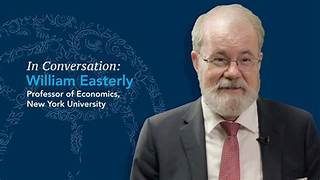
William Easterly (NYU)
Laura Freschi (NYU)
Steven Pennings (World Bank)
June 2016
Development economists usually (and understandably) evaluate effectiveness of intentional efforts to
achieve economic development. There are few opportunities empirically to appreciate the unintended and surprising part of development outcomes portrayed by theories of creative destruction and other theories of spontaneous general equilibrium outcomes not intended by anyone. This paper does a development case study at an extreme micro level (one city block in New York City), but over a long period of time (four centuries). We find that (i) development involves many changes in production as comparative advantage evolves and (ii) most of these changes were unexpected (“surprises”). The block’s history illustrates how difficult it is for overly prescriptive planners to anticipate changes in comparative advantage and how such planning could instead stifle creative destruction.
Authors:
William Easterly:
Laura Freschi:

Steven Pennings:
