Constructing The Sacred is about a UNESCO World Heritage Site called Saqqara, an ancient cemetery in Egypt. The site was utilized during the Pharaonic period, and is now a major tourist attraction for its beautiful vistas and architecture. Many of the monuments have collapsed due to weathering and exposure to the desert sand. This project is about recreating what once was, using a 3D GIS or Geographical Information System to map the site and to further investigate the collapsed structures. Saqqara has never been the topic of a landscape study, due to the complicated landscape. This makes it difficult to examine in the field because of the ancient changes made throughout history.
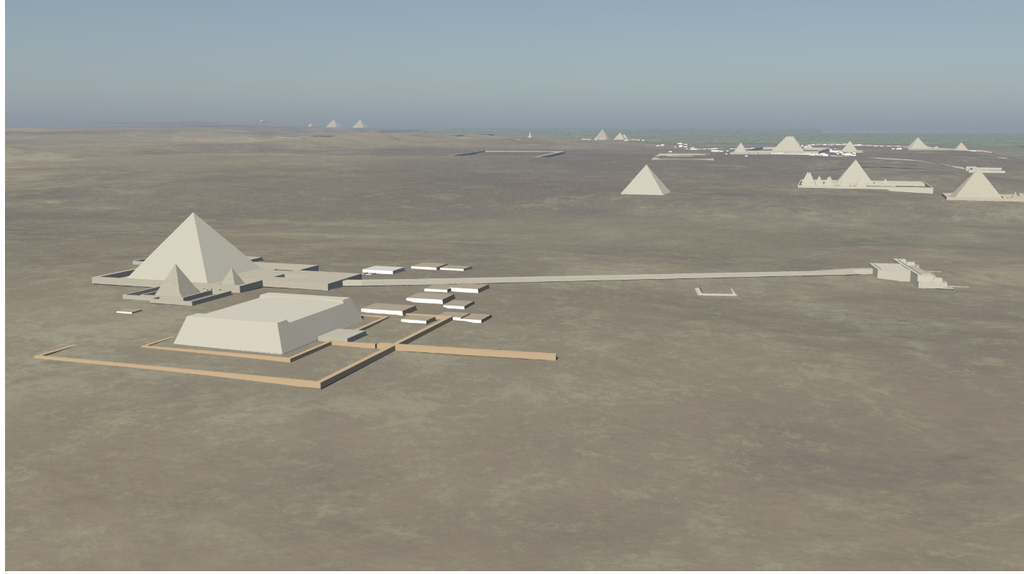
Due to this project, there is a way to examine the religious and ritual landscape through architectural studies, where in previous years, there was no studies completed.
It also highlights the visibility of the monuments, as some have been obscured by others due to the craftsmanship at each moment to express current religious views.
The project is created by Elaine E. Sullivan, an Associate Professor of History at University of California, Santa Cruz. It is made for anybody who is curious about the land changes and the history of Saqqara, and how it’s an important ritual site and important archaeologically. “Elaine A. Sullivan uses 3D technologies to peel away the layers of history at the site, revealing how changes to sight lines, skylines, and vistas at different periods of Saqqara’s millennia-long use influenced sacred ceremonies and ritual meaning at the necropolis.” LINK
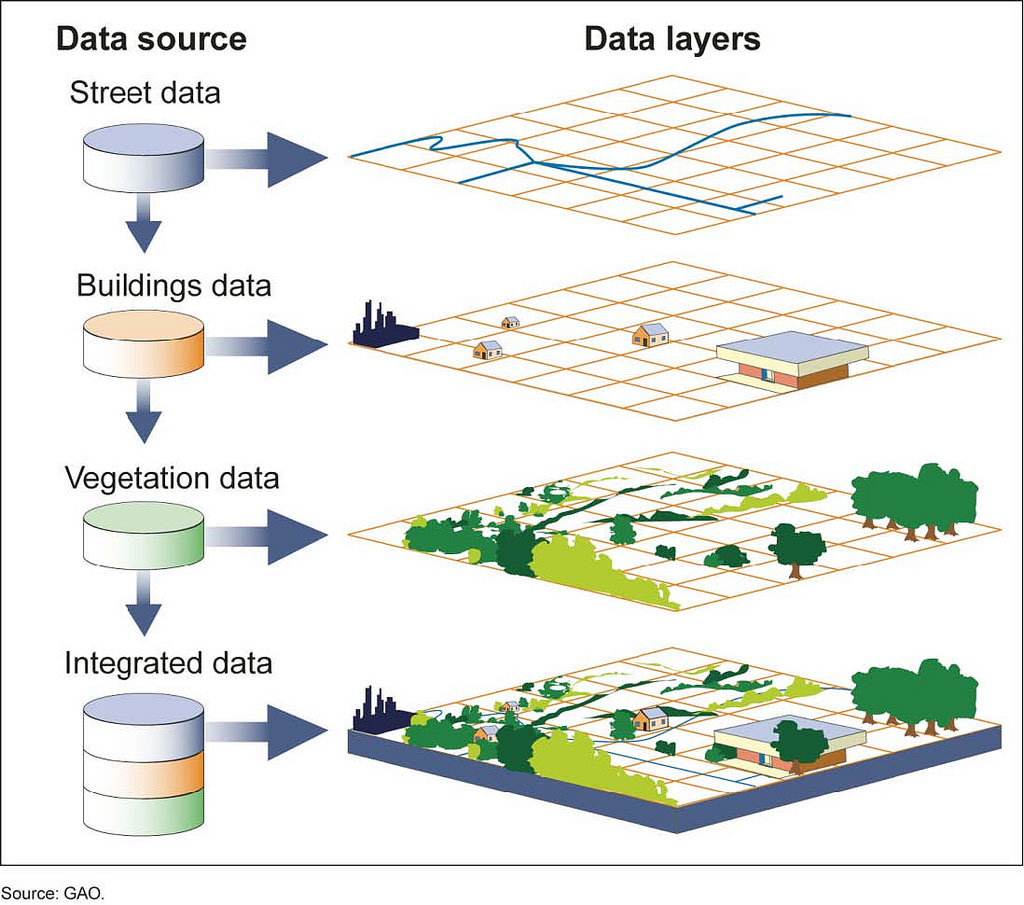
The connection of this project to Digital Humanities is the analysis and protection of cultural data. Through the mapping of Saqqara, site visitors can immerse themselves in the rich ritual landscapes in different dynastic periods, reflecting the individual changes in architecture. It protects cultural data by mapping each dynastic change, which allows the user to compare it to different time periods, and finally analyze which has the most prominent change. Constructing the Sacred itself may be a finished product, but the information can be used in ongoing projects, as archaeologists refer to this information in the field when studying Saqqara.